 100% online
 FDA regulated pharmacies
 Free expedited delivery
 No hidden fees
 Unlimited 24/7 support100,000+ members
Key Takeaways
- Clinicians advise GLP-1 patients to get at least 30% of daily calories from protein to protect lean muscle mass — yet 27% of ‘protein’ snacks tested fell short.
- 88% of marketed protein snacks exceeded recommended free-sugar limits (<5% of calories), and 16% contained as much or more sugar than protein.
- Plain Greek yogurt, chicken breast, eggs, shrimp, edamame, and tofu deliver 30%–80% of calories from protein without ‘protein-washing’ markups.
Patients taking GLP-1 medications like Wegovy and Mounjaro eat smaller portions overall, which is why nutritionists recommend getting at least 30% of daily calories from protein to protect lean muscle mass (3). Yet a nutritional audit of 88 supermarket products labeled ‘Protein’ across six categories uncovered widespread “protein-washing” — inflated health claims masking low protein density and high added sugar.
Key findings across 88 ‘high-protein’ snacks
- 27% failed the 30% protein-calorie mark: Nearly all ‘protein oatmeal/porridge pots’ (94%) fell below 30% of calories from protein, whereas 100% of protein yogurts met the threshold (delivering up to 68% of calories from protein).
- Value per gram of protein: Protein yogurts averaged 20g protein per serving at the lowest cost per gram, followed by ready-to-drink shakes (26.3g average, up to 50g), while protein bars cost roughly 70% more per gram of protein.
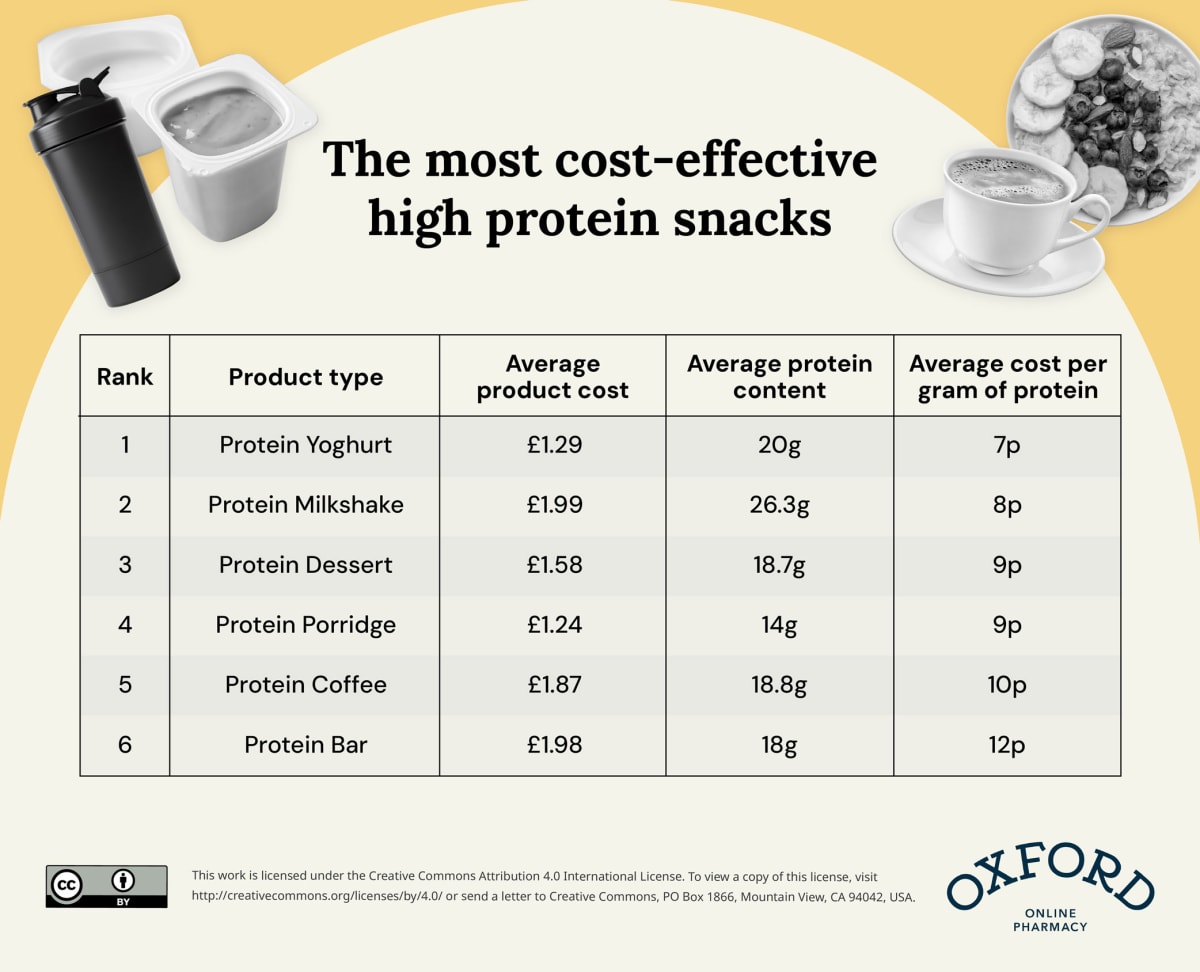
- Hidden sugar overload: 88% of snacks exceeded the <5% free-sugar guideline (4), and 16% contained equal or more grams of sugar than protein — with sweetened protein shakes (33% of calories from sugar) and protein iced coffees (32%) ranking highest.

Whole-food alternatives that beat ‘protein-washing’
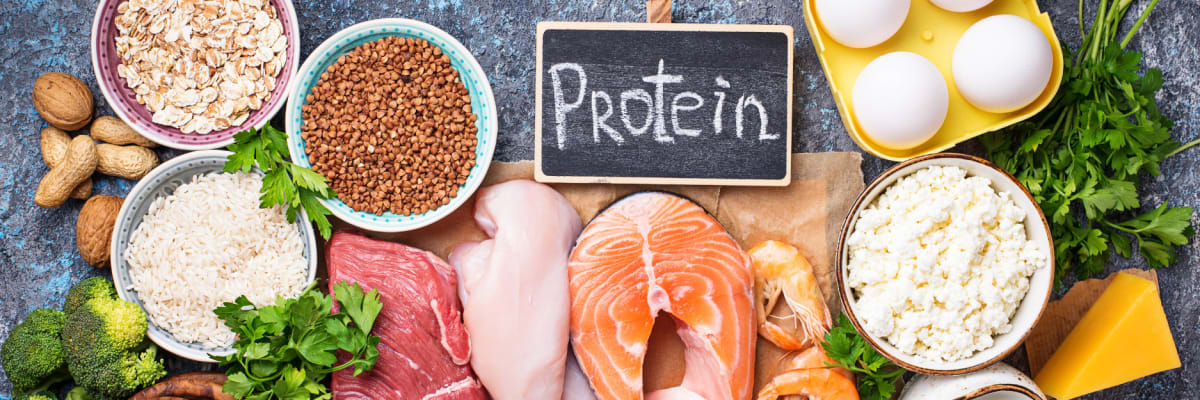
Check the nutrition panel rather than front-of-pack buzzwords: multiply grams of protein × 4 and check that it represents ≥30% of total calories with minimal added sugar. Better yet, anchor meals and snacks around minimally processed staples that naturally deliver 30% to 80% of calories from protein: 0% plain Greek yogurt, chicken breast, hard-boiled eggs, shrimp, tuna, edamame, cottage cheese, and firm tofu.
References
- Consumer high-protein grocery demand report. 2025.
- Kantar. GLP-1 agonists nutritional impact report. 2025.
- U.S. Department of Agriculture & HHS. Dietary Guidelines for Americans — added sugars & daily limits.
Related Clinical Guides

Your personalizedweight care plan
Clinician-prescribed GLP-1 & metabolic care, 100% online.
Leave a Reply