Key Takeaways:
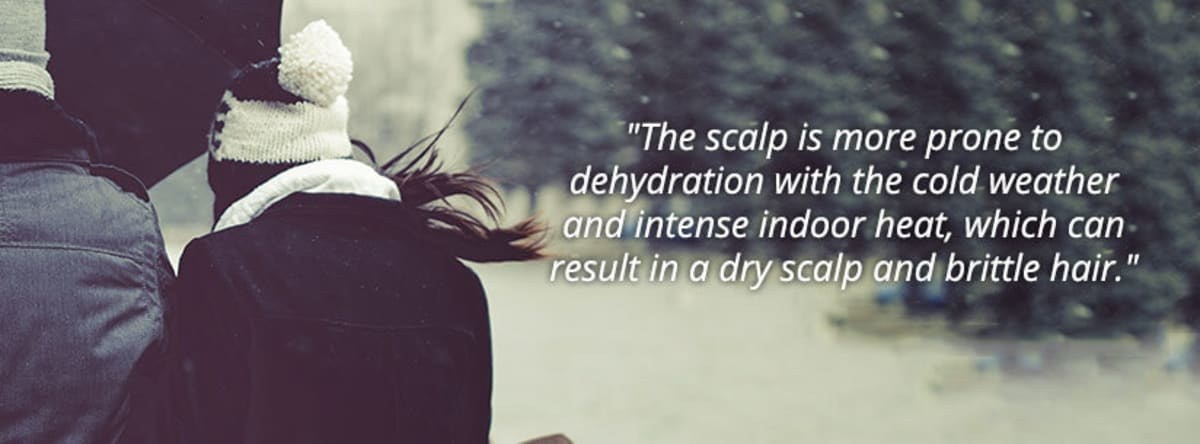
- Alternating between cold, low-humidity outdoor air and parched indoor central heating strips moisture from the hair cuticle—causing static, frizz, split ends, and brittle breakage.
- Dry winter scalps frequently flake or flare with seborrheic dermatitis, while tight wool beanies create friction breakage if worn over damp hair.
- Swap drying high-alcohol styling gels for conditioning formulas rich in panthenol (pro-vitamin B5), glycerin, shea butter, or lightweight argan/jojoba oils.
- Distinguish mid-shaft winter breakage from true root-level shedding—persistent crown or part-line thinning signals nutritional deficiency or androgenetic alopecia.
Why Winter Air Causes Dehydration, Static, and Hat Friction
Cold winter air holds far less moisture, lifting the outer shingle-like cuticle scales of each hair strand, while forced-air indoor heating accelerates transepidermal water loss across your scalp. Stepping outside with wet hair or pulling coarse knit hats tightly over damp strands compounds mechanical snapping.
Practical Cold-Weather Hair & Scalp Routine
- Wash with lukewarm—never scalding—water: Hot showers strip protective scalp sebum; follow every wash with a humectant + emollient conditioner containing panthenol, ceramides, shea, or natural fatty acids, and ditch crunchy high-alcohol styling gels.
- Choose satin-lined or looser winter hats: Always dry hair completely (on low/medium heat with a heat protectant) before heading into freezing temperatures.
- Nourish follicles internally: Winter dips in vitamin D alongside suboptimal iron, zinc, selenium, and vitamins A, C, and E weaken new hair matrix formation—check lab levels if shedding lingers past seasonal change.
Leave a Reply