


Key Takeaways
- Elevated blood cholesterol produces zero physical symptoms until decades of silent arterial plaque trigger angina, heart attack, or stroke—whether driven by diet/lifestyle or inherited familial hypercholesterolemia.
- A standard clinical lipid panel measures Total Cholesterol, LDL ('bad'), HDL ('protective'), and Triglycerides to calculate individualized 10-year cardiovascular risk.
- First-line management combines saturated-fat reduction, regular aerobic exercise, healthy weight maintenance, smoking cessation, and—when risk warrants—statin or non-statin prescription therapy.
- FDA-cleared fingerstick home cholesterol test strips or mail-in capillary kits help track trends between physician visits, while new supplements should always be cleared for drug interactions.
Why High Cholesterol Is Silent & How Clinicians Diagnose It
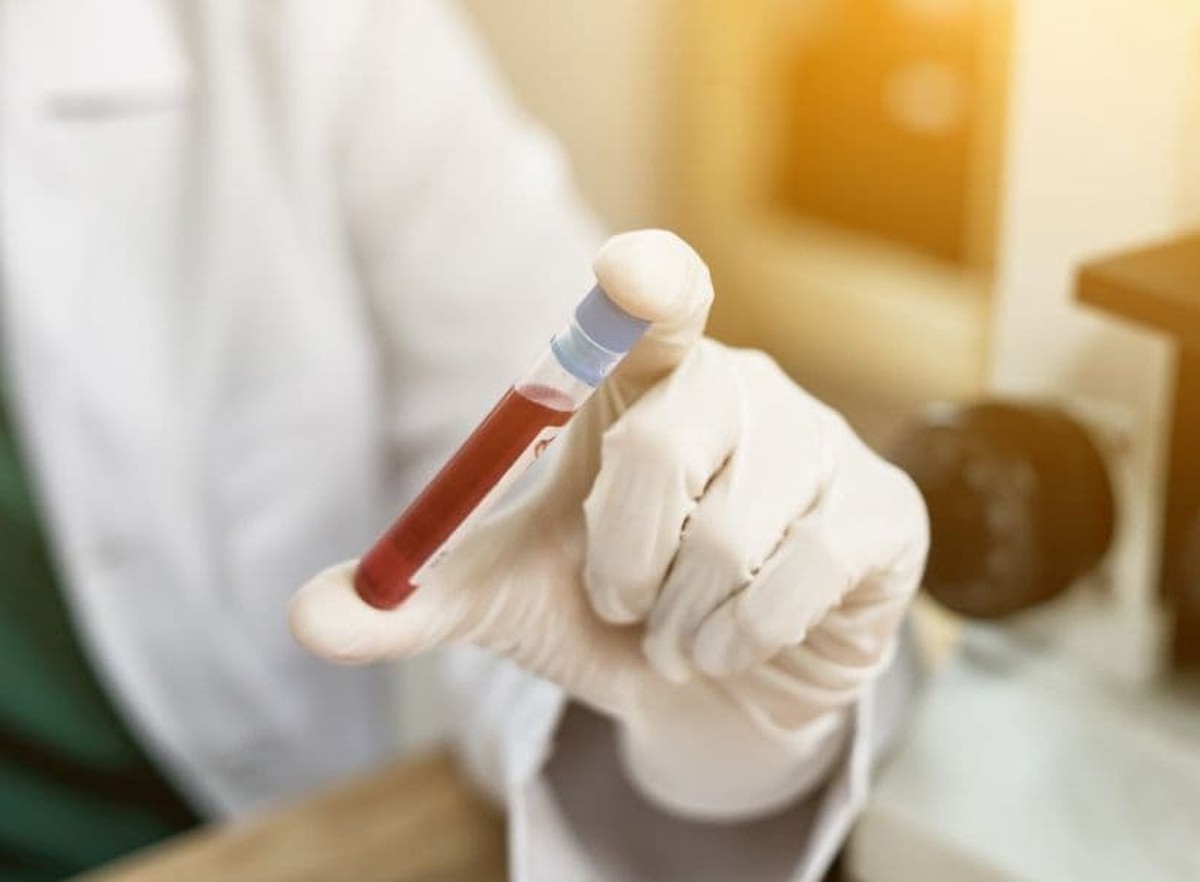
While your body relies on physiological cholesterol to build cell membranes and hormones, excess atherogenic LDL particles quietly infiltrate coronary and carotid artery walls with zero pain, fatigue, or outward signs—even in slim adults carrying inherited familial hypercholesterolemia. A simple venous lipid panel blood test ordered by your primary care clinician is the definitive first step, interpreting LDL-C (<100 mg/dL optimal for most adults; <70 mg/dL for higher-risk patients) alongside blood pressure, age, smoking status, and family history.
Personalized Management & Between-Visit Home Testing
- Tailored medical & lifestyle plan: Depending on your overall ASCVD risk score, clinicians pair soluble-fiber nutrition, 150+ weekly minutes of exercise, weight optimization, and smoking cessation with targeted lipid-lowering prescriptions when needed.
- Vet supplements first: Always consult your doctor before adding red yeast rice, plant sterols, or niacin, which can interact with statins or liver enzymes.
- Home capillary monitoring: Fingerstick lancet test kits provide convenient trend checks between clinic labs—confirming your nutrition and exercise momentum while keeping formal physician follow-ups anchored.
Medical Disclaimer: Reviewed by the Amble Clinical Editorial Team. This guide is for educational purposes and does not replace individualized medical advice, diagnosis, or prescription care from a licensed clinician.
Related Clinical Guides
GLP-1 & Weight Loss · 8 minWhat to Eat on Mounjaro (Tirzepatide): Protein Targets, Nausea Relief & Meal GuideMounjaro slows gastric emptying and quiets food noise — making 1.0–1.6g/kg daily protein, hydration, and smart food swaps essential to prevent nausea and preserve lean muscle.GLP-1 & Weight Loss · 7 minCan You Restart Wegovy or Mounjaro After Stopping? Washout & Re-Titration RulesPaused Wegovy or Mounjaro for travel, side effects, or life events? If you've missed 2+ weeks, restarting safely requires dropping back to starter doses (0.25mg Wegovy or 2.5mg Mounjaro) under clinician review.GLP-1 & Weight Loss · 7 minWhat Is 'Food Noise' — and How Do GLP-1 Treatments Quiet It?Finishing lunch while already obsessing over dinner isn't a willpower flaw — scientists call persistent, intrusive food chatter 'food cue reactivity.' Learn how GLP-1s and daily habits turn down the volume.

Modern telehealthbuilt around you
Licensed clinicians, accredited pharmacies, and ongoing support.