Medication Information Guide
Amoxicillin-Clavulanate 875 mg / 125 mg
(generic Augmentin™)
Pharmacologic Category: Antibiotic, Penicillin
FDA-Approved Uses:
- Lymphadenitis (lymph node inflammation)
- Mastitis (breast tissue inflammation)
- Otitis media (inner ear infection)
- Acute pharyngitis, Group A streptococcus (strep throat)
- Tonsillitis (tonsil inflammation)
- Urinary tract infection (UTI)
Common Off-Label Uses:
- Acute bacterial rhinosinusitis (nasal passage & sinus infection)
- Lung abscess
- Empyema
- Pyomyositis (bacterial infection of skeletal muscle)
- Bite wounds (human, dog, cat)
- Dental infections
- Community-acquired pneumonia, mild
- Diabetic foot infection
- COPD, acute exacerbation
Typical Adult Dosing:
Community-acquired pneumonia, mild: 875 mg/125 mg (1 tablet) by mouth TWICE DAILY for 5–10 daysCan be used in combination with Azithromycin or Doxycycline
Bite wounds — prophylaxis (asymptomatic exposure): 1 tablet by mouth TWICE DAILY for 3–5 days
Bite wounds — treatment (symptomatic infection): 1 tablet by mouth TWICE DAILY for 7–14 days
Urinary tract infection (UTI), uncomplicated: 1 tablet by mouth TWICE DAILY for 3–7 days
Acute bacterial rhinosinusitis: 1 tablet by mouth TWICE DAILY for 5–7 days
Acute pharyngitis (strep throat): 1 tablet by mouth TWICE DAILY for 10 days
Pregnancy: Category B. Consult with a medical provider.
Breastfeeding: Present in breastmilk; considered compatible with breastfeeding at usual recommended doses.
Notes: May be taken with or without food; gastrointestinal side effects are reduced when taken with meals.
Common Side Effects: Diarrhea, nausea, vomiting, and rash.
Contraindications: Do not take if known allergy or hypersensitivity to amoxicillin, clavulanic acid, or other beta-lactam antibiotics (penicillins, cephalosporins), or any component of the formulation. Do not take if there is a history of cholestatic jaundice or hepatic dysfunction with amoxicillin-clavulanate therapy. Avoid use in suspected or confirmed mononucleosis.
Caution: Significant drug interactions exist and may require dose/frequency adjustment or avoidance. Prolonged use (>28 days) may result in fungal or bacterial superinfection. Please review the full package insert and consult with a medical provider.
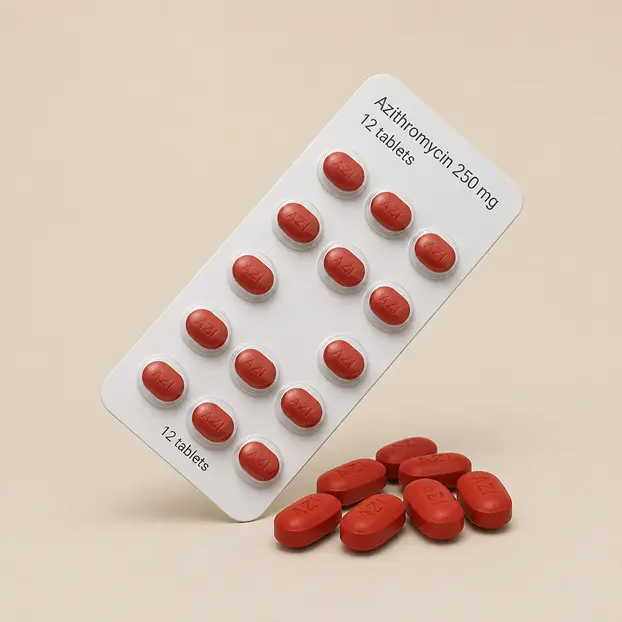
Azithromycin 250 mg
(generic Zithromax™, Z-Pak™)
Pharmacologic Category: Antibiotic, Macrolide
FDA-Approved Uses:
- Community-acquired pneumonia, mild severity
- Acute pharyngitis, Group A streptococcus (strep throat)
- Acute bacterial sinusitis
- Acute otitis media (inner ear infection)
- Acute bacterial exacerbations of COPD
- Uncomplicated skin infections
- Urethritis and cervicitis (Chlamydia trachomatis)
Common Off-Label Uses:
- Babesiosis
- Bartonella (cat scratch disease)
- Infectious traveler's diarrhea
- Pertussis (whooping cough)
- Bronchiectasis
Typical Adult Dosing:
Community-acquired pneumonia / Pertussis / Bronchitis:500 mg (2 tablets) on Day 1, then 250 mg (1 tablet) daily on Days 2–5or 500 mg daily for 3 days
Traveler's diarrhea: 500 mg (2 tablets) daily for 3 days
STI (chlamydia): 1,000 mg (4 tablets) one time; repeat after 1 week if needed
Pharyngitis / Sinusitis / Tonsillitis / Babesiosis / Bartonella:500 mg (2 tablets) on Day 1, then 250 mg (1 tablet) daily on Days 2–5
Pregnancy: Category B.
Breastfeeding: Present in breastmilk; use caution. Consult with a medical provider.
Notes: May be taken with or without food; gastrointestinal side effects are reduced when taken with meals.
Common Side Effects: Diarrhea and nausea.
Contraindications: Do not take if known allergy or hypersensitivity to Azithromycin (Zithromax™, Z-Pak™), Clarithromycin (Biaxin™), Erythromycin, or any other macrolide. Do not take if there is a history of cholestatic jaundice/hepatic dysfunction associated with prior azithromycin use. Contraindicated with pimozide.
Caution: Significant drug interactions exist. May affect the efficacy of blood thinners such as warfarin, increasing bleeding risk. Prolonged use (>28 days) may result in fungal or bacterial superinfection. Please review the full package insert and consult with a medical provider.
CEPHALEXIN
(generic Keflex™) — kit strength 500 mg capsules (20 capsules per Mayday / Panic Pack)Source: DailyMed / FDA cephalexin capsules label
Pharmacologic Category: First-generation cephalosporin antibiotic
FDA-Approved Uses:
- Respiratory tract infections
- Otitis media
- Skin and skin structure infections
- Bone infections
- Genitourinary tract infections (including acute prostatitis) caused by susceptible bacteria
Common Off-Label Uses:
- Uncomplicated urinary tract infection (alternate agent when appropriate)
- Cellulitis / soft-tissue infection due to susceptible Gram-positive organisms (provider-directed)
Typical Adult Dosing:
Usual adult dose: 250 mg by mouth every 6 hours, or 500 mg by mouth every 12 hours. Treatment is typically administered for 7 to 14 days depending on infection type and severity. For more severe infections, larger total daily doses may be needed (up to 4 grams daily in divided doses) per medical provider. Dose adjustment is required in severe renal impairment (creatinine clearance below 30 mL/min). For β-hemolytic streptococcal infections, treat for at least 10 days.
Pregnancy: Pregnancy Risk Category B (see Appendix A). Available epidemiologic and pharmacovigilance data with cephalosporins, including cephalexin, have not established a drug-associated risk of major birth defects, miscarriage, or adverse maternal or fetal outcomes. Discuss with a medical provider.
Breastfeeding: Cephalexin is present in breast milk in low amounts. Discuss with your doctor whether the benefits of taking this medication outweigh the risks.
Notes: Use only to treat infections that are proven or strongly suspected to be caused by susceptible bacteria. Cephalexin does not treat viral infections (e.g., the common cold). Complete the full course as directed even if you feel better early; skipping doses or stopping early may reduce effectiveness and promote resistance.
Common Side Effects: Diarrhea, nausea, vomiting, dyspepsia, and abdominal pain are most common. Other reported effects include rash, genital and anal pruritus, genital candidiasis, vaginitis, dizziness, fatigue, headache, agitation, confusion, and joint pain. Rare but serious reactions can include hypersensitivity (including anaphylaxis, Stevens-Johnson syndrome, toxic epidermal necrolysis), Clostridioides difficile–associated diarrhea, drug-induced hemolytic anemia, interstitial nephritis, and liver enzyme elevations / cholestatic jaundice.
Contraindications: Allergy or hypersensitivity to cephalexin or other members of the cephalosporin class of antibacterial drugs, or any component of the formulation.
Caution: Before use, ask about prior hypersensitivity to cephalexin, other cephalosporins, penicillins, or other beta-lactam antibiotics — cross-hypersensitivity among beta-lactams may occur in up to about 10% of patients with penicillin allergy. Discontinue and seek care if signs of allergic reaction occur (rash, swelling, trouble breathing). Evaluate diarrhea that occurs during or after therapy for possible C. difficile–associated diarrhea; seek care for severe, watery, or bloody diarrhea. Use caution and dose-adjust in kidney impairment; elderly patients may have greater risk of toxicity due to reduced renal function. Co-administration with metformin may increase metformin exposure — monitor as directed. Probenecid is not recommended with cephalexin. May cause false-positive urine glucose tests with some older testing methods (e.g., Benedict's or Fehling's solutions).
Please review the full package insert and consult with a medical provider for additional information.
Doxycycline Hyclate 100 mg
Pharmacologic Category: Antibiotic, Tetracycline Derivative
FDA-Approved Uses:
- Acne vulgaris
- Anthrax (Bacillus anthracis, bioterror)
- Amebiasis (Entamoeba histolytica)
- Sexually transmitted infections (Chlamydia trachomatis)
- Malaria prophylaxis
- Rickettsia infections
- Rocky Mountain spotted fever (Rickettsia rickettsii)
- Q fever (Coxiella burnetii)
- Typhus
Common Off-Label Uses:
- Lyme disease (Borrelia bacteria)
- Community-acquired pneumonia
- Acute bacterial rhinosinusitis
- Skin and soft tissue infections due to Staph aureus
- Tularemia / Rabbit fever (bioterror)
- Plague (Yersinia pestis, bioterror)
Typical Adult Dosing:
Anthrax (bioterror), inhalation post-exposure prophylaxis: 100 mg (1 capsule) TWICE DAILY for 42–60 daysSome experts favor longer durations (3–4 months). Consult a local expert.
Lyme disease — prophylaxis (asymptomatic exposure, tick attached >36 hours): 200 mg (2 capsules) ONCE
Lyme disease — treatment (symptomatic): 100 mg (1 capsule) TWICE DAILY for 10–28 days depending on presentation:
- Erythema migrans: 10 days
- Acute neurological disease: 14–21 days
- Carditis: 14–21 days
- Arthritis with neurological involvement: 28 days
Rocky Mountain Spotted Fever: 100 mg TWICE DAILY for 5–7 days, or at least 3 days after fever subsides — whichever is longer
Q fever, acute symptomatic: 100 mg TWICE DAILY for 14 days
Bite wound — prophylaxis (asymptomatic): 100 mg TWICE DAILY for 3–5 days
Bite wound — treatment (symptomatic): 100 mg TWICE DAILY for up to 14 days
Plague / Tularemia (bioterror): 100 mg TWICE DAILY for 7 daysConsult a local expert.
STI (chlamydia): 100 mg TWICE DAILY for 7 days
Pregnancy: Category D. Many guidelines consider doxycycline a relative contraindication in pregnant women. Consult with a medical provider.
Breastfeeding: Present in breastmilk; use caution. Consult with a medical provider.
Notes: Most effective when taken on an empty stomach. May be taken with a meal if stomach upset is a concern, though absorption may be slightly reduced.
Common Side Effects: Diarrhea and nausea.
Contraindications: Do not take if known allergy or hypersensitivity to doxycycline, other tetracyclines, or any component of the formulation. Do not take concurrently with isotretinoin.
Caution: Significant drug interactions exist. May exacerbate myasthenia gravis. Prolonged use (>28 days) may result in fungal or bacterial superinfection. Please review the full package insert and consult with a medical provider.
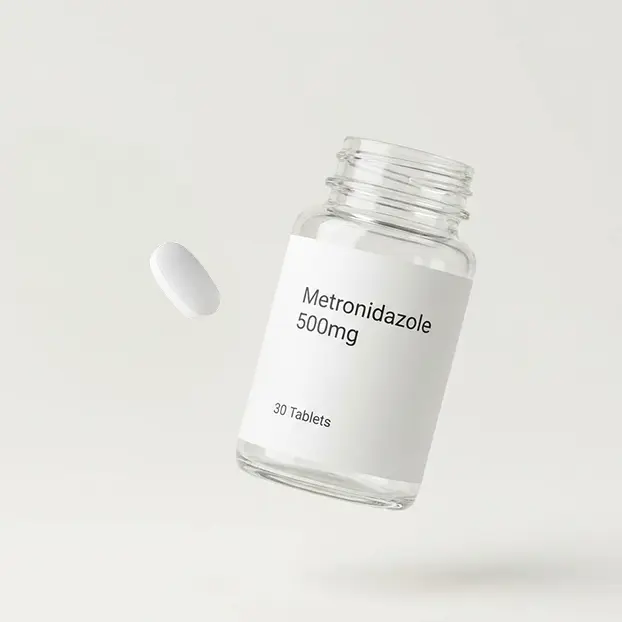
Metronidazole 500 mg
(generic Flagyl™)
Pharmacologic Category: Antibiotic, Amebicide, Antiprotozoal, Nitroimidazole
FDA-Approved Uses:
- Anaerobic infections (intra-abdominal, skin, bone & joint)
- Endocarditis (Bacteroides spp.)
- Bacterial septicemia (blood poisoning)
- Gynecological infections
- Helicobacter pylori (adjunct therapy)
- Meningitis and brain abscess
- Amebiasis and amebic liver abscess
- Trichomoniasis
Common Off-Label Uses:
- Colitis, including C. difficile (C. diff)
- Tetanus (Clostridium tetani)
- Bacterial vaginosis
- Periodontal disease
- Crohn's disease
- Giardiasis (Giardia duodenalis)
- Dracunculiasis (Guinea-worm disease)
Typical Adult Dosing:
C. diff colitis, mild-to-moderate: 500 mg (1 tablet) THREE TIMES DAILY for 10–14 days
Giardiasis: 500 mg TWICE DAILY for 5–7 days
Tetanus: 500 mg THREE TIMES DAILY for 7–10 days
Trichomoniasis — females: 500 mg TWICE DAILY for 7 daysTrichomoniasis — males: 2,000 mg (4 tablets) ONCE
Bacterial vaginosis: 500 mg TWICE DAILY for 7 days
Pregnancy: Category B. Relative contraindications exist — specifically, do not use during the first trimester for trichomoniasis. Consult with a medical provider.
Breastfeeding: Present in breastmilk in quantities that could be harmful to newborns. If metronidazole is required, nursing should be discontinued during treatment and for 24 hours after the last dose. Consult with a medical provider.
Notes: Take with a meal to reduce gastrointestinal side effects. Do not consume alcohol during therapy or within 3 days of the last dose.
Common Side Effects: Headache, nausea, vaginitis, metallic taste.
Contraindications: Do not take if known allergy or hypersensitivity to Metronidazole (Flagyl™), nitroimidazole derivatives, or any component of the formulation. Do not take during the first trimester in patients with trichomoniasis. Do not take within 3 weeks of disulfiram use. Do not consume alcohol or propylene glycol-containing products during therapy or within 3 days of discontinuation.
Caution: US BOXED WARNING — Metronidazole has been shown to be carcinogenic in mice and rats. Avoid unnecessary use. Recommended use is reserved for trichomoniasis, amebiasis, and anaerobic bacterial infections. Significant drug interactions exist. Additional considerations for persons with hepatic impairment, renal impairment, or seizure disorders. Prolonged use (>28 days) may result in fungal or bacterial superinfection. Please review the full package insert and consult with a medical provider.
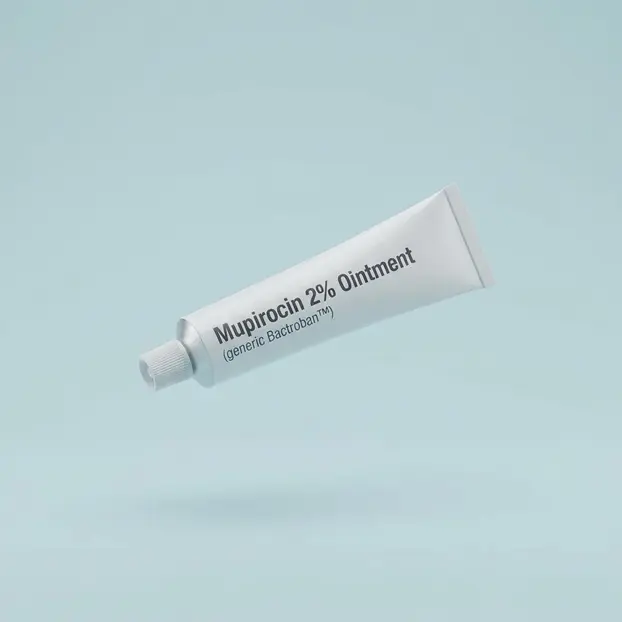
Mupirocin
(generic Bactroban™)
Pharmacologic Category: Topical antibiotic
FDA-Approved Uses:
- Superficial skin infection
- Folliculitis
- Impetigo
- Secondary skin infection after burn or cut
- Nasal decolonization of MRSA (specific formulation, select settings)
Common Off-Label Uses:
- Nasal decolonization for Staph aureus or MRSA when directed by a medical provider
- Localized superficial skin infections caused by susceptible bacteria
- Infected eczema or minor wound infection
Typical Adult Dosing:
Folliculitis: Apply to affected area 3 times daily for 7 days
Impetigo: Apply to affected area 2–3 times daily for 5 days
Secondary skin infection (burn, cut, etc.): Apply 2–3 times daily for 7–14 days. Reassess if no improvement after 3–5 days.
Pregnancy: Category B.
Breastfeeding: Discuss with your doctor whether benefits outweigh risks.
Notes: For external use only unless using a formulation specifically prescribed for intranasal use. Do not use topical skin formulations in the eyes, nose, mouth, or vagina. Use only on the prescribed area for the full duration. Stop use and consult a medical provider if irritation, severe itching, rash, swelling, or worsening infection occurs. Prolonged use may result in overgrowth of nonsusceptible organisms, including fungi.
Common Side Effects: Itching, skin rash/irritation, stinging, nausea, headache, hypersensitivity reactions.
Contraindications: Allergy or hypersensitivity to mupirocin or any component of the formulation. Do not use if localized irritation occurs after use. Avoid prolonged use.
Caution: Use with caution over large open wounds, extensive burns, significant skin breakdown, or kidney disease. Avoid contact with eyes — rinse thoroughly with water if contact occurs. Do not use longer than prescribed. Consult a medical provider if symptoms do not improve within 3–5 days or worsen during treatment.
Hydroxychloroquine
(generic Plaquenil™)
Pharmacologic Category: Aminoquinoline; Antimalarial agent; Antirheumatic
FDA-Approved Uses:
- Malaria (Plasmodium vivax, P. malariae, P. ovale, susceptible P. falciparum)
- Discoid and systemic lupus erythematosus
- Rheumatoid arthritis
Common Off-Label Uses:
- Q fever (Coxiella burnetii)
- Whipple's disease
- Brucella
- Cutaneous dermatomyositis
- Primary Sjögren disease
Respiratory Illness Applications: In vitro studies have demonstrated that hydroxychloroquine (HCQ) is effective against several coronaviruses including MERS-CoV, SARS-CoV, and SARS-CoV-2. HCQ has been shown to prevent coronavirus particles from recognizing host cell entry receptors, interfere with membrane fusion, and suppress immunomodulatory processes.
Typical Adult Dosing:
Pregnancy: Category C. Consult with a medical provider.
Breastfeeding: Present in breast milk in very small amounts. Generally considered acceptable at typical lower doses.
Notes: Take with food or milk to reduce gastrointestinal side effects.
Common Side Effects: Nausea, vomiting, diarrhea, abdominal pain, and headache.
Contraindications: Do not take if known hypersensitivity to Hydroxychloroquine (Plaquenil™), 4-aminoquinolone derivatives, or any component of the formulation.
Caution: Significant drug interactions exist — notably with Dapsone, Mefloquine, Cimetidine, and Remdesivir. Additional considerations for persons with hepatic impairment, myasthenia gravis, porphyria, psoriasis, renal impairment, retinopathy, and G6PD deficiency. Prolonged use has been associated with QT prolongation. Please review the full package insert and consult with a medical provider.
Methylprednisolone Dose Pack
(generic Medrol™ Dosepak™)
Pharmacologic Category: Corticosteroid; glucocorticoid
FDA-Approved Uses:
- Allergic states
- Dermatologic diseases
- Endocrine disorders
- Gastrointestinal diseases
- Hematologic disorders
- Neoplastic diseases
- Nervous system conditions
- Ophthalmic diseases
- Renal diseases
- Respiratory diseases
- Rheumatic disorders
Common Off-Label Uses:
- Acute asthma or COPD exacerbation
- Acute musculoskeletal inflammation
- Acute gout flare
- Severe allergic reactions (adjunctive)
- Radiculopathy or sciatica-associated inflammation
- Sinus or upper respiratory inflammation
Typical Adult Dosing:
General: Follow the dose pack schedule as directed — typically over 6 days with a tapering schedule. Follow package or medical provider instructions exactly.
Low back pain with moderate/severe radicular pain only: Follow directions per medication label.
Moderate allergy/hives/angioedema — stepwise approach:
- Cetirizine 10 mg once daily (may increase to twice daily if needed)or Cetirizine 10 mg in the morning + diphenhydramine 25–50 mg at bedtime
- If symptoms persist, add Famotidine 20 mg every 12 hours
- If symptoms still present, add Methylprednisolone — follow directions per medication label
Pregnancy: Category C.
Breastfeeding: Discuss with your doctor whether benefits outweigh risks.
Notes: Do not use higher than recommended doses. Avoid in children under age 2 due to concern for Torsades de pointes, cardiac arrest, and death. (Note: This safety warning appears to have been misplaced from the Loperamide entry — confirm placement with the originating provider.)
Common Side Effects: Serious side effects (primarily with long-term use) include adrenal suppression, psychiatric disturbances, Cushing's syndrome, peptic ulcer, hyperglycemia, osteoporosis, and glaucoma. Less common: acne, weight gain, nausea, headache, seizure, tendon rupture, impaired wound healing.
Contraindications: Allergy or hypersensitivity to methylprednisolone or any component of the formulation. Active systemic fungal infection. Co-administration with live or live-attenuated vaccines. History of immune thrombocytopenia or idiopathic thrombocytopenic purpura. Administration to premature infants.
Caution: Use with caution in diabetes, hypertension, heart disease, kidney/liver disease, stomach ulcers, glaucoma, cataracts, osteoporosis, thyroid disease, seizure disorders, or mood disorders. May mask signs of infection or worsen existing infections. Seek medical attention for severe mood changes, vision changes, black or bloody stools, severe abdominal pain, shortness of breath, or symptoms of high blood sugar.
Diclofenac Sodium DR
(generic Voltaren™ delayed-release tablets)
Pharmacologic Category: Nonsteroidal Anti-Inflammatory Drug (NSAID)
FDA-Approved Uses:
- Osteoarthritis
- Rheumatoid arthritis
- Ankylosing spondylitis
Common Off-Label Uses:
- Acute musculoskeletal pain
- Sprains and strains
- Back pain
- Dental pain
- Postoperative pain
- Primary dysmenorrhea
Typical Adult Dosing:
Osteoarthritis: 50 mg TWO to THREE TIMES DAILY or 75 mg TWICE DAILY
Rheumatoid arthritis: 50 mg THREE to FOUR TIMES DAILY or 75 mg TWICE DAILY
Ankylosing spondylitis: 25 mg FOUR TIMES DAILY, with an additional 25 mg dose at bedtime if needed
Pregnancy: Avoid at 20 weeks or later unless specifically directed by a medical provider. Avoid at 30 weeks or later due to risk of premature closure of the fetal ductus arteriosus. Consult with a medical provider.
Breastfeeding: Passes into breastmilk in low amounts. Generally considered acceptable during breastfeeding; however, medications with more published lactation data may be preferred, especially when nursing a newborn or preterm infant. Consult with a medical provider.
Notes: Take with food or milk to reduce gastrointestinal upset. Delayed-release tablets should be swallowed whole — do not crush, chew, or split. Use the lowest effective dose for the shortest duration consistent with treatment goals.
Common Side Effects: Gastrointestinal discomfort, nausea, diarrhea, constipation, headache, dizziness, elevated liver enzymes, rash.
Contraindications: Do not take if known allergy or hypersensitivity to diclofenac, aspirin, other NSAIDs, or any component of the formulation. Do not take if history of asthma, urticaria, or allergic reactions after taking aspirin or other NSAIDs. Do not use in the setting of coronary artery bypass graft (CABG) surgery.
Caution: NSAIDs may increase the risk of serious cardiovascular thrombotic events, including heart attack and stroke. NSAIDs may increase the risk of serious gastrointestinal events including bleeding, ulceration, and perforation. Use with caution in cardiovascular disease, hypertension, GI bleeding/ulcer history, kidney disease, liver disease, asthma, or bleeding disorders. Avoid taking with other NSAIDs unless directed by a medical provider.
Albuterol Sulfate
(generic ProAir™, Proventil™, Ventolin™)
Pharmacologic Category: Short-acting beta-2 adrenergic agonist; bronchodilator
FDA-Approved Uses:
Common Off-Label Uses:
- Shortness of breath
- Wheezing
- Cough
Typical Adult Dosing:
Asthma exacerbation, mild-to-moderate: 2–4 inhalations every 20 minutes for 3 doses. If good response, extend interval to every 3–4 hours as needed. If incomplete response, adjust interval to every 1–3 hours as needed.
Asthma exacerbation (as needed): 1–2 inhalations every 4–6 hours as needed.
COPD exacerbation: 1–2 inhalations every 1 hour for 2–3 doses, then every 2–4 hours as needed.
Patients with worsening symptoms after initial treatment should seek immediate medical attention.
Pregnancy: Category C.
Breastfeeding: Considered compatible with breastfeeding.
Notes: Albuterol is a rescue medication for rapid relief of bronchospasm (wheezing, chest tightness, shortness of breath, cough). Increasing use or needing more frequent doses may indicate worsening disease and should be evaluated by a medical provider. Prime inhaler before first use or after extended non-use. Albuterol does not replace controller medications such as inhaled corticosteroids when prescribed.
Common Side Effects: Excitement, nervousness, tremor, bronchospasm, asthma exacerbation, pharyngitis, rhinitis, upper respiratory tract infection.
Contraindications: Allergy or hypersensitivity to albuterol or any component of the formulation. Severe hypersensitivity to milk proteins (dry powder inhalers only).
Caution: May cause paradoxical bronchospasm, which can be life-threatening — discontinue and seek medical attention if breathing worsens after use. Use with caution in heart disease, arrhythmias, hypertension, hyperthyroidism, diabetes, seizure disorder, or low potassium. Overuse may increase the risk of serious adverse effects and may signal worsening respiratory disease.
Epinephrine
(generic EpiPen™, Adrenaclick™, Auvi-Q™)
Pharmacologic Category: Alpha- and beta-adrenergic agonist; sympathomimetic
FDA-Approved Uses:
- Emergency treatment of allergic reactions, including anaphylaxis (foods, insect stings/bites, medications, latex, exercise, or unknown causes)
Common Off-Label Uses:
- Severe asthma exacerbation in select emergency settings
- Cardiac arrest (specific formulations/routes in monitored medical settings)
- Severe hypotension or shock (specific formulations/routes in monitored medical settings)
- Local hemostasis or vasoconstriction in select procedural settings
Typical Adult Dosing:
Anaphylaxis: Administer 1 dose into the outer thigh. May repeat in 5–15 minutes, or sooner if not responding to the first dose.
Even if the EpiPen is used correctly, seek emergency medical help immediately.
Pregnancy: Category C.
Breastfeeding: Unknown if present in breast milk; generally considered compatible with breastfeeding when needed in an emergency.
Common Side Effects: Chest pain, irregular heartbeat, palpitations, rapid heart rate, anxiety, dizziness, tissue necrosis at injection site, nausea, vomiting, tremor.
Contraindications: There are no absolute contraindications when used in a life-threatening situation.
Caution: Use with caution in adults over 65 years old.
Potassium Iodide
(generic iOSAT™ / ThyroSafe™)
Pharmacologic Category: Thyroid blocking agent; radiation medical countermeasure
FDA-Approved Uses:
- Helps prevent radioactive iodine from entering the thyroid gland during a nuclear radiation emergency
- Use along with other emergency measures recommended by public officials
Common Off-Label Uses: Use is generally limited to public health, radiation emergency, or toxicologic guidance. Not for routine "radiation protection" or for radioactive materials other than radioactive iodine.
Typical Adult Dosing:
Thyroid block after nuclear radiation emergency: 1 tablet by mouth ONCE DAILY; continue for 10–14 days or until directed by public health officials or risk of exposure has passed.
Pregnancy: Category D. Approved for use in nuclear radiation emergencies. Pregnant patients are at higher risk of thyroid dysfunction and thyroid cancer and should be prioritized for treatment.
Breastfeeding: Present in breast milk. Approved for use in nuclear radiation emergencies. Breastfeeding patients should be prioritized for treatment.
Notes: Protects only the thyroid gland from radioactive iodine — does not protect the rest of the body or against other radioactive materials. Most effective when taken within 24 hours before or within 4 hours after radioactive iodine exposure. Do not take unless instructed by public health officials or a medical provider. Does not reverse existing thyroid damage and may not provide complete protection.
Common Side Effects: Heart rate irregularity, numbness and tingling, confusion, fatigue, fever, acne, rash, hives, goiter, diarrhea, metallic taste, nausea, stomach pain, vomiting, joint pain, weakness, shortness of breath, and wheezing.
Contraindications: Allergy or hypersensitivity to iodide or iodine. History of dermatitis herpetiformis, certain types of vasculitis, or nodular thyroid condition with heart disease.
Caution: Use with caution in known thyroid disease — chronic use can lead to hypothyroidism. Speak with a medical provider if taking potassium-sparing diuretics (spironolactone, eplerenone).
Loperamide HCL
(generic Imodium™)
Pharmacologic Category: Antidiarrheal agent; peripheral opioid receptor agonist
FDA-Approved Uses:
- Diarrhea
- Traveler's diarrhea
- Viral gastroenteritis
- Acute nonspecific diarrhea
- Chronic diarrhea associated with inflammatory bowel disease
- Reduction of ileostomy output (select formulations, under medical direction)
Common Off-Label Uses:
- Traveler's diarrhea symptom control
- Short bowel syndrome-associated diarrhea (under medical direction)
Typical Adult Dosing:
Diarrhea / traveler's diarrhea / viral gastroenteritis: 2 tablets initially, then 1 tablet after each loose stool. Do not exceed 4 tablets per day.
Pregnancy: Category C.
Breastfeeding: Not recommended.
Notes: Do not exceed recommended doses due to risk of Torsades de pointes (heart rhythm disturbance), cardiac arrest, and death. Do not use in children under 2 years old.
Common Side Effects: Dizziness, constipation, abdominal cramps, nausea. Less common: abdominal pain, rash, drowsiness, fatigue, flatulence, itching, Stevens-Johnson syndrome, urinary retention, hives, vomiting, dry mouth.
Contraindications: Allergy or hypersensitivity to loperamide. Active fever, bloody stools, concern for C. diff, abdominal pain without diarrhea, acute dysentery, acute ulcerative colitis, concern for Salmonella/Shigella/Campylobacter. Children under 2 years old.
Caution: Consult a medical provider if taking antibiotics, pregnant, breastfeeding, experiencing fever, bloody or mucous stools, or if liver disease is present.
Benzocaine 20%
(generic Orajel™)
Pharmacologic Category: Over-the-counter topical anesthetic
FDA-Approved Uses:
Common Off-Label Uses:
- Procedural topical anesthesia (under medical/dental direction)
- Temporary relief of localized mucosal discomfort (under medical/dental direction)
Typical Adult Dosing:
Dental pain: Apply a thin layer to the affected area in the mouth every 6 hours as needed.
Pregnancy: Category C.
Breastfeeding: Unknown if present in breast milk. Discuss with a provider before using. Never apply directly to the nipple.
Notes: Use only the amount needed — do not exceed the recommended dose. Avoid eating or drinking until numbness has worn off to reduce risk of choking or aspiration. Do not use for teething or in children under 2 years old. Do not use for more than 7 days unless directed by a medical provider. Avoid contact with eyes. Benzocaine provides temporary symptom relief and does not treat the underlying cause.
Common Side Effects: Contact dermatitis, skin irritation, allergic reactions, and methemoglobinemia.
Contraindications: Allergy or hypersensitivity to benzocaine, para-aminobenzoic acid (PABA), or any component of the formulation. Allergy to other local anesthetics (procaine, butacaine, or other "caine" anesthetics).
Caution: Avoid use over puncture wounds, animal bites, infections, serious burns, or lacerations. Avoid in children under 2 years old.
Ivermectin 18 mg
(generic Stromectol™)
Pharmacologic Category: Anthelmintic
FDA-Approved Uses:
- Onchocerciasis (river blindness — Onchocerca volvulus)
- Strongyloidiasis (Strongyloides stercoralis)
- Lice
- Acne rosacea
Common Off-Label Uses:
- Scabies (Sarcoptes scabiei)
- Ascariasis (Ascaris lumbricoides)
- Lymphatic filariasis
- Strongyloides stercoralis
- Loa loa (African eye worm)
- Hookworm-related cutaneous larva migrans
- Trichuriasis (Trichuris trichiura)
Typical Adult Dosing:
Scabies: 0.2 mg/kg by mouth ONCE; repeat after 1 week
Lice (refractory): 0.2–0.4 mg/kg by mouth ONCE; repeat after 1 week
Hookworm-related cutaneous larva migrans: 0.2 mg/kg by mouth DAILY for 1–2 days
Approximate Ivermectin Dose by Body Weight (based on 0.6 mg/kg using 12 mg capsules)
Body WeightDaily Dose~40 kg24 mg (2 capsules)~60 kg36 mg (3 capsules)~80 kg48 mg (4 capsules)~100 kg60 mg (5 capsules)~120 kg72 mg (6 capsules)
Pregnancy: Category C. Consult with a medical provider.
Breastfeeding: Present in breastmilk; use caution. Consult with a medical provider.
Notes: Typically dosed by body weight. While the manufacturer recommends taking on an empty stomach, bioavailability increases when taken with a high-fat meal.
Common Side Effects: Itchiness, fever, swelling, rash, hives, joint pain, diarrhea. Some patients report temporary visual aura.
Contraindications: Do not take if known allergy or hypersensitivity to Ivermectin (Stromectol™) or any component of the formulation.
Caution: Significant drug interactions exist and may require dose/frequency adjustment or avoidance. Additional considerations in immunocompromised persons (e.g., HIV). Please review the full package insert and consult with a medical provider.
Cyclobenzaprine
(generic Flexeril™)
Pharmacologic Category: Muscle relaxant, centrally acting
FDA-Approved Uses:
- Muscle spasm associated with acute, painful musculoskeletal conditions
Common Off-Label Uses:
- Fibromyalgia
- Tension headache
- Temporomandibular disorder-associated muscle pain
- Chronic musculoskeletal pain (adjunctive symptom management)
Typical Adult Dosing:
Muscle spasm: 5 mg by mouth THREE TIMES DAILY as needed. May increase to 10 mg THREE TIMES DAILY based on response and tolerability. Typically limited to 2–3 weeks of use.
Pregnancy: Category B. Consult with a medical provider.
Breastfeeding: Limited data available. Appears to pass into breastmilk in small amounts. Breastfeeding does not necessarily need to be discontinued, but infants should be monitored for drowsiness, adequate weight gain, and developmental milestones. Consult with a medical provider.
Notes: Should be used as an adjunct to rest and physical therapy. Intended for short-term use only (up to 2–3 weeks). May cause drowsiness, dizziness, or impaired alertness — avoid alcohol and use caution when driving or operating machinery.
Common Side Effects: Drowsiness, dry mouth, dizziness, fatigue, nausea, constipation.
Contraindications: Do not take if known allergy or hypersensitivity to cyclobenzaprine or any component of the formulation. Do not take during or within 14 days of MAOI use. Do not take if history of recent myocardial infarction, arrhythmias, heart block or conduction disturbances, congestive heart failure, or hyperthyroidism.
Caution: Use with caution when combined with CNS depressants including alcohol, benzodiazepines, opioids, sleep medications, or other sedating drugs. Caution with serotonergic medications due to risk of serotonin syndrome. Caution in patients with urinary retention, angle-closure glaucoma, increased intraocular pressure, or those taking anticholinergic medications. Avoid use in elderly patients if possible due to increased risk of sedation, confusion, falls, and anticholinergic effects.