Medication Information Guide
General Disclaimer:These medications should always be used responsibly and after consultation with a qualified healthcare professional or primary care provider for diagnosis and treatment instructions before utilizing any medications in your kit. If you have any questions, Amble offers a team of licensed medical professionals to help.
Storage Information
Most solid oral drugs have a longer shelf life when stored at room temperature (68-77°F / 20-25°C) and shielded from UV radiation in airtight containers. The FDA's Shelf-Life Extension Program showed that many solid form medications stayed potent beyond their expiration date.
Mupirocin
(generic Bactroban™)
Pharmacologic Category: Topical antibiotic
FDA-Approved Uses:
- Superficial Skin Infection
- Folliculitis
- Impetigo
- Secondary skin infection after burn/cut
- Eradication of nasal colonization with methicillin-resistant Staphylococcus aureus in certain settings, depending on formulation
Common Off-Label Uses:
- Nasal decolonization for Staphylococcus aureus or MRSA when directed by a medical provider
- Localized superficial skin infections caused by susceptible bacteria
- Infected eczema or minor wound infection when directed by a medical provider
Typical Adult Dosing:
Folliculitis:Apply to the affected area 3 times per day for 7 days
Impetigo:Apply to the affected area 2-3 times per day for 5 days
Secondary skin infection (localized infection after a burn, cut, etc.):Apply to the affected area 2-3 times per day for 7-14 days. If no improvement after 3-5 days, re-evaluate treatment.
Pregnancy: Pregnancy Risk Category B (see Appendix A)
Breastfeeding: Discuss with your doctor if the benefits of taking this medication outweigh the risks.
Notes: For external use only unless using a formulation specifically prescribed for intranasal use. Do not use topical skin formulations in the eyes, nose, mouth, or vagina. Use only on the area prescribed and for the full prescribed duration. Stop use and consult a medical provider if irritation, severe itching, rash, swelling, or worsening infection occurs. Prolonged use may result in overgrowth of nonsusceptible organisms, including fungi.
Common Side Effects: Itching, skin rash/irritation, stinging of skin, nausea, headache, hypersensitivity reactions.
Contraindications: Allergy or hypersensitivity to mupirocin or any component of formulation. Do not use it if localized irritation occurs after use. Avoid prolonged use.
Caution: Caution with large open wounds, extensive burns, significant skin breakdown, kidney disease, or use of polyethylene glycol-containing ointment over large surface areas. Avoid contact with eyes. If contact occurs, rinse thoroughly with water. Do not use longer than prescribed, as this may increase risk of resistance or overgrowth of nonsusceptible organisms. Consult a medical provider if symptoms do not improve within 3 to 5 days or worsen during treatment.
Neomycin/Polymyxin B/Bacitracin Ointment
(generic triple antibiotic ointment)
Pharmacologic Category: Topical antibiotic combination
FDA-Approved Uses:
- First aid to help prevent infection in minor cuts, scrapes, and burns.
Common Off-Label Uses:Not typically used for off-label treatment without medical direction. May be recommended by a medical provider for certain superficial skin wounds when appropriate.
Typical Adult Dosing:
Minor cuts, scrapes, and burns:Clean the affected area, apply a small amount of ointment to the affected area ONE to THREE TIMES DAILY, and cover with a sterile bandage if needed.
Pregnancy: Consult with a medical provider before use during pregnancy, especially if applying to large areas, deep wounds, or broken skin.
Breastfeeding: Consult with a medical provider before use while breastfeeding. Avoid applying to the breast or nipple area unless directed by a medical provider. If applied near the breast, clean the area before nursing.
Notes: For external use only. Do not use in the eyes, inside the nose, mouth, or on large areas of the body unless directed by a medical provider. Do not use on deep or puncture wounds, animal bites, serious burns, or wounds that are large, draining, or worsening unless directed by a medical provider. Stop use and consult a medical provider if redness, irritation, swelling, pain, or symptoms worsen or last more than 7 days.
Common Side Effects: Skin irritation, redness, itching, rash, burning, or allergic contact dermatitis.
Contraindications: DO NOT USE if known allergy or hypersensitivity to neomycin, polymyxin B, bacitracin, aminoglycoside antibiotics, or any component of the formulation.
Caution: Neomycin may cause allergic skin reactions in some people. Prolonged or repeated use may increase the risk of sensitization or overgrowth of nonsusceptible organisms. Use caution on damaged skin or large treatment areas due to potential systemic absorption. Consult with a medical provider before use in children, immunocompromised patients, or patients with poor wound healing.
Hydrocortisone
(generic ?)
Pharmacologic Category: Topical steroid
FDA-Approved Uses:
Common Off-Label Uses:(not specified in source document)
Typical Adult Dosing:
Atopic dermatitis/eczema:Apply cream to the affected area(s) 1-2 times per day until lesion(s) resolve, no more than 2-4 weeks*
Allergic/contact dermatitis, seborrheic dermatitis:Apply cream to the affected area(s) 1-2 times per day until lesion(s) resolve, no more than 1-2 weeks*
*Still use caution on the face, around the eyes and other areas where skin atrophy may occur.
Pregnancy: Pregnancy Risk Category C (see Appendix A). Use only in small areas. Avoid use in areas where absorption is highest like armpits, vulva or skin folds. Also avoid prolonged use on the abdomen, breasts, and thighs due to skin thinning and increased risk of stretch marks.
Breastfeeding: Topical steroids are generally considered safe in breastfeeding when used on small surface areas. Do not apply to nipple and areola until breastfeeding has stopped and cover area if in direct skin to skin contact with infant.
Notes: (not specified in source document)
Common Side Effects: Side effects include acne, stretch marks, burning sensation of skin, decreased skin pigmentation, perioral dermatitis, abnormal hair growth, rash, folliculitis, secondary skin infection.
Contraindications: Allergy or hypersensitivity to hydrocortisone or any component of the formulation. Avoid contact with eyes. Do not use on weeping or infected lesions. Discontinue if skin irritation occurs. Do not use for diaper rash unless instructed by medical provider.
Caution: (not specified in source document)
Diphenhydramine
(generic Benadryl™)
Pharmacologic Category: Antihistamine
FDA-Approved Uses:
- Temporary relief of symptoms due to hay fever or other upper respiratory allergies
- Temporary relief of runny nose and sneezing due to the common cold
- Temporary relief of itchy, watery eyes
- Temporary relief of itching of the nose or throat
- Temporary relief of itching and pain due to minor skin irritation, depending on formulation
- Prevention and treatment of motion sickness, depending on formulation
- Occasional sleeplessness, depending on formulation
Common Off-Label Uses:
- Nausea and vomiting, adjunctive use
- Acute allergic reactions, adjunctive symptom relief
- Medication-related movement symptoms, select cases and under medical direction
- Short-term sleep support when directed by a medical provider
Typical Adult Dosing:
Allergy, Angioedema, Hives:Cetirizine: 10 mg by mouth 1 time per day. May increase to 2 times per day if neededORCetirizine: 10 mg by mouth 1 time in the morning, plus diphenhydramine 25-50 mg by mouth at bedtimeIf symptoms still present then add, Famotidine: 20 mg by mouth every 12 hoursIf symptoms still present then add a Corticosteroid, Methylprednisolone: follow directions per medication label
Insomnia:25-50 mg by mouth at bedtimeFor occasional use only
Motion Sickness:25 mg by mouth every 6 hours as needed. Should be given 30-60 minutes prior to exposure
Nausea:25 mg every 4-6 hours, or 50 mg every 6-8 hours as needed.
Vertigo:25-50 mg by mouth every 6 hours as needed.
Pregnancy: Pregnancy Risk Category B (see Appendix A)
Breastfeeding: Not recommended.
Notes: Diphenhydramine may cause marked drowsiness. Avoid alcoholic drinks while taking this medication. Alcohol, sedatives, and tranquilizers may increase drowsiness. Use caution when driving a motor vehicle or operating machinery. Do not use with other products containing diphenhydramine, including topical products, unless directed by a medical provider. Use only as directed by the product label or a medical provider.
Common Side Effects: Serious side effects may include drowsiness, fatigue, lack of concentration, memory impairment, irritability, paradoxical excitation, and insomnia. Other side effects include: blurred vision, dry mouth, urinary retention, impotence, fast heart rate, nausea, constipation, agitation, confusion, cognitive dysfunction, and delirium.
Contraindications: Allergy or hypersensitivity to diphenhydramine or other similar antihistamines. Avoid when breastfeeding. Avoid in children under 6 years old for sleep.
Caution: Use in caution in adults over 65 years old.
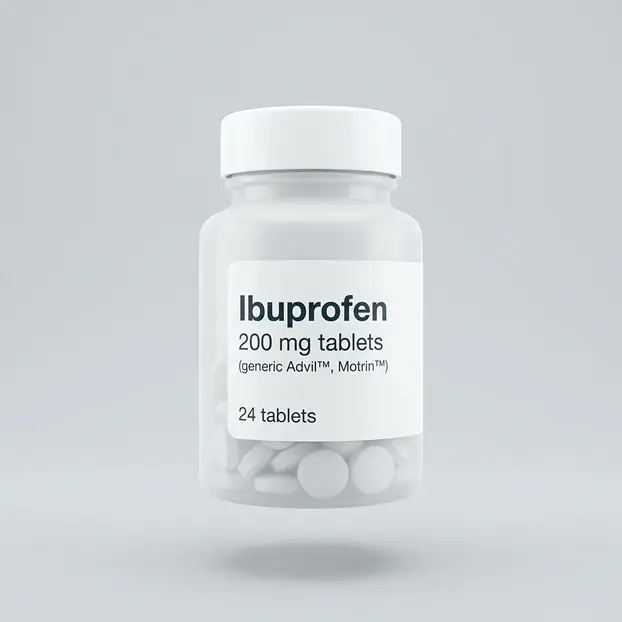
Ibuprofen
(generic Advil™, Motrin™)
Pharmacologic Category: Non-steroidal anti-inflammatory drug
FDA-Approved Uses:
- Temporary relief of minor aches and pains
- Temporary reduction of fever
- Relief of mild to moderate pain
- Treatment of primary dysmenorrhea
- Relief of signs and symptoms of rheumatoid arthritis and osteoarthritis, depending on formulation
Common Off-Label Uses:
- Gout Flare
- Musculoskeletal pain
- Back pain
- Dental pain
- Headache
- Postoperative pain
- Inflammatory pain when directed by a medical provider
Typical Adult Dosing:
Fever:200-400 mg by mouth every 4-6 hours as needed. If fever persists, may increase to 600-800 mg by mouth every 6 hours as needed. Do not exceed 3200 mg per day.
Gout Flare:800 mg by mouth every 8 hours until symptoms improve. Do not exceed 3200 mg per day.
Pain (Dysmenorrhea, low back pain, acute migraine, osteoarthritis, etc.):200-400 mg by mouth every 4-6 hours as needed. Do not exceed 3200 mg per day.
Pregnancy: Pregnancy Risk Category B in first and second trimesters. Pregnancy Risk Category D in the third trimester.
Breastfeeding: NSAIDs are generally considered safe short term except if infant has low platelet count or other platelet dysfunction, or certain cardiac conditions.
Notes: NSAIDs can cause increased risk of serious blood clotting events, like heart attack and stroke, which can be fatal. NSAIDs can also cause increased risk of serious gastrointestinal adverse events including bleeding, ulceration, and perforation of the stomach or intestines which can be fatal. These events can occur at any time during use and without warning. Elder patients or people with history of these events are at greater risk.
Common Side Effects: Serious side effects include: heart attack, chest pain, coronary artery disease, exacerbation or new onset of hypertension, new onset heart failure, gastritis, gastric ulcer, gastrointestinal perforation, gastric bleeding, prolonged bleeding, changes in red and white blood cells, liver injury, facial swelling, skin rash, kidney damage, and pulmonary hypertension. Other side effects include: decreased hemoglobin, abdominal distress, swelling, dizziness, tinnitus, blurred vision, and headache.
Contraindications: Allergy or hypersensitivity to ibuprofen, other NSAIDs, and aspirin. History of aspirin sensitive asthma. History of bariatric surgery or history of gastric ulcer. History of coronary artery bypass graft (CABG) surgery. Avoid in people over 65 years of age if possible. Ibuprofen is identified as potentially inappropriate medication due to potential for gastric bleeding. Co-administration with other NSAIDs or aspirin.
Caution: Use in caution with existing cardiovascular disease, gastrointestinal disease, kidney and liver disease, or bleeding disorders.
Acetaminophen
(generic Tylenol)
Pharmacologic Category: Antipyretic, analgesic
FDA Approved Uses:
Common Off-Label Uses:
- Fever
- Pain
- Muscle/Joint Pain
Typical Adult Dosing:
Fever:325-650 mg by mouth every 4-6 hours as needed. Do not exceed 4000 mg per day.
Pain (Dysmenorrhea, low back pain, acute migraines, osteoarthritis, etc.):325-650 mg by mouth every 4-6 hours as needed. Do not exceed 4000 mg per day.
Pregnancy: Pregnancy Risk Category B (see Appendix A)
Breastfeeding: Considered compatible with breastfeeding
Notes: Acetaminophen is used for temporary relief of minor aches, pains, and fever. Check all prescription and over-the-counter medication labels before use, as acetaminophen is commonly included in combination products, including cold/flu medications and some pain medications. Do not exceed the recommended daily dose. Taking more than directed may cause serious liver injury. Avoid or limit alcohol use while taking acetaminophen due to increased risk of liver injury. Use only as directed by the product label or a medical provider.
Common Side Effects: Serious side effects include acute liver toxicity (usually only in people who exceed 4 grams per day). Less common side effects include skin rash, skin blisters, and hearing loss.
Contraindications: Do not take if you have an allergy or hypersensitivity to acetaminophen or any component of formulation, or a history of severe hepatic impairment.
Caution: Caution in patients with liver disease, heavy alcohol use, chronic malnutrition, or history of significant alcohol intake. Caution with concurrent use of other medications containing acetaminophen to avoid accidental overdose. Caution with warfarin or other blood thinners, especially with regular or prolonged acetaminophen use. Stop use and consult a medical provider if pain worsens or lasts more than 10 days, fever worsens or lasts more than 3 days, new symptoms occur, or redness/swelling is present. Seek immediate medical attention in case of overdose, even if there are no symptoms.
Scopolamine
(generic Transderm-Scop™)
Pharmacologic Category: Anticholinergic agent
FDA-Approved Uses:
- Motion Sickness
- Prevention of nausea and vomiting associated with motion sickness
- Prevention of postoperative nausea and vomiting associated with recovery from anesthesia and/or opioid analgesia, depending on formulation
Common Off-Label Uses:
- Postoperative nausea and vomiting (PONV) prophylaxis
- Nausea associated with vestibular disorders
- Chemotherapy-induced nausea (adjunct use)
Typical Adult Dosing:
Motion Sickness:Apply 1 patch on the skin behind the ear at least 4 hours prior to a nausea inducing event. May keep patch on for up to 72 hours. Replace patch after 72 hours if nausea relief is still needed.
Pregnancy: Pregnancy Risk Category C (see Appendix A)
Breastfeeding: Discuss with your doctor if the benefits of taking this medication outweigh the risks.
Notes: For transdermal use only; apply to a clean, dry, hairless area behind the ear. Wash hands thoroughly after handling the patch to avoid accidental contact with the eyes. Do not cut the patch. Remove patch before MRI procedures. May cause blurred vision if medication comes into contact with the eyes. Use caution when driving, operating machinery, or performing activities requiring mental alertness.
Common Side Effects: Serious side effects include acute psychosis, amnesia/memory impairment, agitation, confusion, and speech disturbance. Other side effects include dry mouth, dizziness, drowsiness, sore throat, rash, and urinary retention.
Contraindications: Allergy or hypersensitivity to scopolamine or other belladonna alkaloids. History of glaucoma. Avoid in people over 65 years of age if possible.
Caution: Caution with co-administration with other antihistamines (ex: diphenhydramine, hydroxyzine, meclizine) as this may increase the risk of anticholinergic effects (dry mouth, blurred vision, urinary retention). Caution with history of cardiovascular disease, intestinal obstruction, ulcerative colitis, enlarged prostate, Parkinson's disease, seizure disorder, or a history of psychosis.
Epinephrine
(generic EpiPen™, Adrenaclick™, Auvi-Q™)
Pharmacologic Category: Alpha- and beta-adrenergic agonist; sympathomimetic
FDA-Approved Uses:
- Emergency treatment of allergic reactions, including anaphylaxis, caused by allergens such as foods, insect stings or bites, medications, latex, exercise, or unknown causes
Common Off-Label Uses:
- Severe asthma exacerbation in select emergency settings
- Cardiac arrest, using specific formulations and routes in monitored medical settings
- Severe hypotension or shock, using specific formulations and routes in monitored medical settings
- Local hemostasis or vasoconstriction in select procedural settings
Typical Adult Dosing:
Anaphylaxis:Administer 1 dose in the outer thigh. May repeat dosing in 5-15 minutes, or sooner if not responding to the first dose.
Pregnancy: Pregnancy Risk Category C (see Appendix A)
Breastfeeding: It is not known if epinephrine is present in breast milk, but generally considered compatible with breastfeeding if needed.
Notes: If you have signs of anaphylaxis, even if you have used your Epi-Pen correctly, you need to seek medical help immediately.
Common Side Effects: Chest pain, irregular heart beat, palpitations, fast heart rate, anxiety, dizziness, tissue necrosis at injection site, nausea, vomiting, and tremor.
Contraindications: There are no absolute contraindications when this medication is used in a life-threatening situation.
Caution: Use in caution in adults over 65 years old.
Azithromycin 250 mg
(generic Zithromax™, Z-Pak™)
Pharmacologic Category: Antibiotic, Macrolide
FDA-Approved Uses:
- Community-acquired pneumonia, mild severity
- Acute Pharyngitis, Group A streptococcus (strep throat)
- Acute bacterial sinusitis (sinus infection)
- Acute otitis media (inner ear infection)
- Acute bacterial exacerbations of chronic obstructive pulmonary disease (COPD)
- Uncomplicated skin infections
- Urethritis and cervicitis (caused by Chlamydia trachomatis)
Common Off-Label Uses:
- Babesiosis (malaria-like parasitic disease)
- Bartonella (cat scratch disease)
- Infectious traveler's diarrhea
- Pertussis (whooping cough)
- Bronchiectasis
Typical Adult Dosing:
Community-acquired pneumonia, mild severity:Take Azithromycin 500 mg (2 tablets) by mouth DAILY on day 1, then 250 mg (1 tablet) by mouth DAILY on days 2-5orTake Azithromycin 500 mg (2 tablets) by mouth DAILY for 3 days
Infectious traveler's diarrhea:Take Azithromycin 500 mg (2 tablets) by mouth DAILY for 3 days
Viral upper respiratory infection, Bronchitis, Pertussis; Take Azithromycin 500 mg (2 tablets) by mouth DAILY on day 1, then 250 mg (1 tablet) by mouth DAILY on days 2-5
Sexual transmitted infection (STI), chlamydia:Take Azithromycin 1,000 mg (4 tablets) by mouth ONE TIME, repeat after 1 week if needed
Acute bacterial pharyngitis, Sinusitis, Tonsillitis:Take Azithromycin 500 mg (2 tablets) by mouth DAILY on day 1, then 250 mg (1 tablet) by mouth DAILY on days 2-5
Babesiosis, Bartonella:Take Azithromycin 500 mg (2 tablets) by mouth DAILY on day 1, then 250 mg (1 tablet) by mouth DAILY on days 2-5
Pregnancy: Pregnancy Risk Category B (see Appendix A).
Breastfeeding: Present in breastmilk, use caution. Consult with a medical provider.
Notes: While Azithromycin may be taken with food or on an empty stomach, the risk of gastrointestinal side effects is decreased when taken with meals.
Common Side Effects: Gastrointestinal including diarrhea and nausea.
Contraindications: DO NOT TAKE if known allergy or hypersensitivity to Azithromycin (Zithromax™, Z-Pak™), Clarithromycin (Biaxin™), Erythromycin (Erythrocin™, Ery-Tab™, or E.E.S.™), or any other Macrolide. DO NOT TAKE if history of cholestatic jaundice/hepatic dysfunction associated with prior azithromycin use. Azithromycin is listed as a contraindication in the manufacturer's labeling for pimozide.
Caution: Significant drug interactions exist and may require dose/frequency adjustment or avoidance. Azithromycin may affect the efficacy of blood thinners, like warfarin, which could increase the risk of bleeding. Medical supervision may be necessary to monitor clotting times and, if necessary, adjust the dosage of anticoagulants during Azithromycin treatment. Prolonged use (>28 days) of antibiotics may result in fungal or bacterial superinfection. Please review the full package insert and consult with a medical provider for additional information.
Appendix A: Pregnancy, Lactation, and Reproductive Potential Labeling
Purpose of This Appendix
This appendix summarizes how pregnancy, breastfeeding, and reproductive potential information should be interpreted in medication education materials. This appendix is based on the FDA Pregnancy and Lactation Labeling Rule (PLLR) framework for prescription drug labeling.
The FDA no longer uses the pregnancy letter categories A, B, C, D, and X in current prescription drug labeling. These categories were removed because they were considered confusing and overly simplistic and did not adequately communicate medication risk during pregnancy, lactation, or reproductive decision-making.
Current FDA labeling uses narrative risk information to help healthcare providers assess benefit and risk and counsel pregnant patients, breastfeeding patients, and patients of reproductive potential.
8.1 Pregnancy
Under current FDA labeling, the Pregnancy subsection may include the following elements when applicable:
Pregnancy Exposure RegistryIf a pregnancy exposure registry exists for a medication, labeling may include information about the registry and how pregnant patients may enroll or obtain additional information.
Risk SummaryThe pregnancy risk summary provides a concise summary of what is known about medication use during pregnancy. It may include available human data, animal data, and pharmacologic information when relevant. The risk summary may address whether available data identify a drug-associated risk of major birth defects, miscarriage, or adverse maternal or fetal outcomes.
Clinical ConsiderationsThis section may include clinically relevant information such as:
- Disease-associated maternal and/or embryo/fetal risk
- Dose adjustments during pregnancy and postpartum period
- Maternal adverse reactions
- Fetal/neonatal adverse reactions
- Labor or delivery considerations when applicable
DataThis section may summarize the human and/or animal data supporting the risk summary.
8.2 Lactation
Under current FDA labeling, the Lactation subsection may include the following elements when applicable:
Risk SummaryThe lactation risk summary may describe:
- Whether the medication is present in human milk
- Whether the medication affects the breastfed child
- Whether the medication affects milk production
- Relevant human or animal lactation data, if available
When human lactation data are available, FDA labeling gives priority to human data over animal data. If breastfeeding is contraindicated, that information should be stated first in the risk summary.
Clinical ConsiderationsThis section may include recommendations for minimizing exposure, monitoring the breastfed child, or managing potential adverse reactions when applicable.
DataThis section may summarize available human or animal lactation data, including measured drug levels in milk or infant exposure estimates when available.
8.3 Females and Males of Reproductive Potential
Under current FDA labeling, this subsection may include information about:
- Pregnancy testing
- Contraception
- Infertility
This section is included when a medication may affect pregnancy status, fertility, embryo-fetal development, or reproductive decision-making.
Legacy Pregnancy Letter Categories
(Historical reference only — no longer current FDA standard)
CategoryDefinitionAAdequate and well-controlled studies in pregnant women failed to demonstrate a risk to the fetus in the first trimester, and there is no evidence of risk in later trimesters.BAnimal reproduction studies failed to demonstrate fetal risk, but there are no adequate and well-controlled studies in pregnant women. Or: Animal studies showed an adverse effect, but adequate and well-controlled studies in pregnant women failed to demonstrate fetal risk.CAnimal reproduction studies showed an adverse effect on the fetus, and there are no adequate and well-controlled studies in humans. Or: No animal reproduction studies and no adequate and well-controlled studies in humans are available. Potential benefits may warrant use in pregnant women despite potential risks.DThere is positive evidence of human fetal risk based on adverse reaction data from investigational or marketing experience or studies in humans. Potential benefits may warrant use in pregnant women despite potential risks.XStudies in animals or humans demonstrated fetal abnormalities. Or: There is positive evidence of human fetal risk based on adverse reaction data from investigational or marketing experience or studies in humans. The risks involved in use during pregnancy clearly outweigh potential benefits.
Standard Pregnancy Language for Medication Sheets
When current labeling provides a clear pregnancy risk statement:Pregnancy: Current labeling states [insert label-based risk summary]. Consult with a medical provider before use during pregnancy.
When human pregnancy data are limited:Pregnancy: Available human data are limited and are not sufficient to establish a drug-associated risk. Use during pregnancy only if the potential benefit justifies the potential risk. Consult with a medical provider.
When medication should be avoided at a specific pregnancy stage:Pregnancy: Avoid use during [insert trimester/week range] unless specifically advised by a medical provider due to [insert label-supported risk]. Consult with a medical provider.
When medication is contraindicated in pregnancy:Pregnancy: Use is contraindicated during pregnancy. Do not use if pregnant or planning to become pregnant unless labeling or a medical provider specifically indicates otherwise.
Standard Breastfeeding Language for Medication Sheets
When medication presence in human milk is unknown:Breastfeeding: It is not known whether this medication is present in human milk, whether it affects the breastfed infant, or whether it affects milk production. Consult with a medical provider before use while breastfeeding.
When medication is present in human milk:Breastfeeding: This medication is present in human milk. The developmental and health benefits of breastfeeding should be considered along with the mother's clinical need for treatment and any potential adverse effects on the breastfed child. Consult with a medical provider.
When medication is expected to produce low infant exposure:Breastfeeding: Available data suggest infant exposure through breastmilk is expected to be low. Consult with a medical provider before use while breastfeeding, especially when nursing a newborn or preterm infant.
When breastfeeding is not recommended:Breastfeeding: Breastfeeding is not recommended during treatment with this medication and for [insert duration, if specified in labeling] after the last dose. Consult with a medical provider for individualized guidance.
When breastfeeding is contraindicated:Breastfeeding: Use is contraindicated during breastfeeding. Do not breastfeed during treatment unless current prescribing information or a medical provider specifically indicates otherwise.
This appendix is for medication education and labeling consistency only. It does not provide medical advice, diagnose any condition, recommend treatment, or replace the full prescribing information, product label, FDA-approved labeling, or guidance from a licensed medical provider. Current prescribing information should be reviewed because pregnancy, lactation, and reproductive-risk information may change as new data become available.