


Key Takeaways
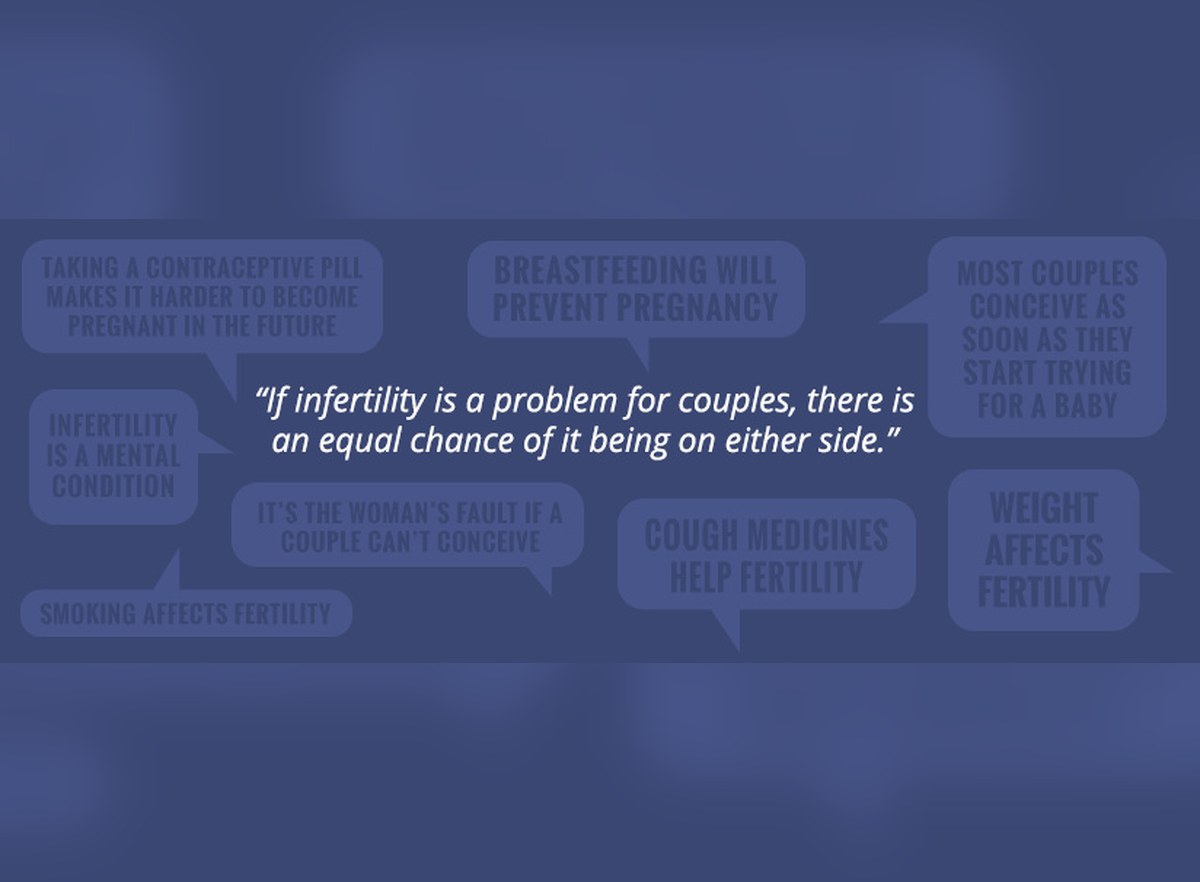
- Fertility challenges affect roughly 1 in 6 couples, with male-factor and female-factor causes occurring at virtually equal rates—infertility is a shared medical diagnosis, never one partner's 'fault.'
- Stopping oral contraceptive pills does not impair future fertility; natural ovulatory cycles typically resume promptly regardless of how many years you took the pill.
- Even healthy young couples have only a ~20–25% conception probability per monthly cycle, taking an average of 6 to 12 months to conceive naturally.
- Smoking doubles infertility risk in both men and women, extremes of underweight or obesity disrupt reproductive hormones, and ovarian reserve declines gradually after 28 and more steeply past 35–42.
Debunking Birth-Control, Breastfeeding & Cough-Syrup Myths
| Fertility Myth | Reproductive Medicine Reality |
|---|---|
| ‘Years on the pill ruin future fertility’ | False—oral contraceptives are fully reversible, and baseline ovulation returns rapidly after stopping. |
| ‘Breastfeeding guarantees you can’t get pregnant’ | False—ovulation occurs before your first postpartum period returns, so conception is still possible. |
| ‘Cough syrup boosts pregnancy odds’ | Unproven—and multi-symptom syrups often contain antihistamines that actually dry cervical mucus. |
| ‘Just relax—infertility is psychological’ | False—infertility is a physiological condition affecting male and female partners equally and deserves medical workup. |
Age Benchmarks, BMI, Smoking & When to Seek Evaluation
Nearly half of births today occur to mothers over 30, and turning 30 does not flip an ‘infertility switch’—monthly conception odds dip gradually from ~20–25% in the early 20s before declining more steeply after age 35 and becoming very low with autologous eggs by 42. Both partners can protect fertility now by quitting smoking (which doubles infertility risk) and maintaining a healthy BMI (avoiding severe underweight or obesity that disrupts ovulation and sperm quality). If you haven’t conceived after 12 months of trying (or 6 months if age 35+), consult a physician for a tailored fertility workup.
Medical Disclaimer: Reviewed by the Amble Clinical Editorial Team. This guide is for educational purposes and does not replace individualized medical advice, diagnosis, or prescription care from a licensed clinician.
Related Clinical Guides
Women's Health & Hormones · 6 min readUnwanted Female Facial Hair (Hirsutism): Hormonal Causes, Menopause Shifts & Prescription CareCoarse chin and upper-lip hair affects ~15% of premenopausal women and up to 75% of postmenopausal women as estrogen-to-androgen ratios shift. Explore PCOS screening and prescription eflornithine care.Women's Health & Hormones · 7 min readSequential Estradiol & Norethisterone HRT Patch Side Effects: What to ExpectStarting sequential transdermal HRT patches like Evorel Sequi? Understand the 3-month hormone adjustment window, withdrawal bleeds, skin care, and drug interactions.Women's Health & Hormones · 6 min readHow to Use Sequential Estradiol & Norethisterone HRT Patches ProperlyA step-by-step guide to applying sequential 4-week HRT patches: twice-weekly change schedules, below-the-waist placement rules, shower tips, and missed patches.

Modern telehealthbuilt around you
Licensed clinicians, accredited pharmacies, and ongoing support.