


Key Takeaways
- Blood pressure is recorded in millimeters of mercury (mmHg) as two numbers: systolic pressure (arterial force during a heartbeat) over diastolic pressure (resting pressure between beats).
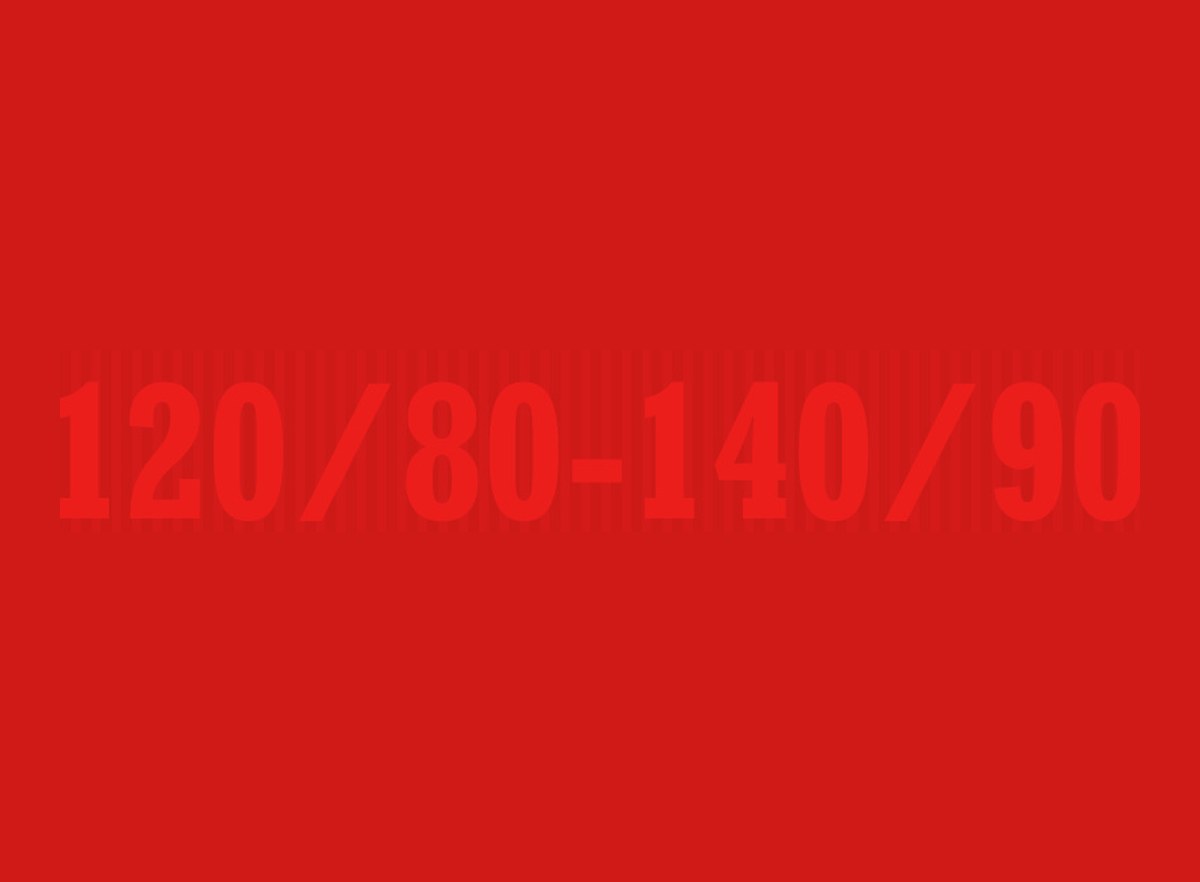
- A typical healthy target sits around 120/80 mmHg; sustained clinic readings at or above 140/90 mmHg (or 130/80 mmHg under tighter cardiovascular guidelines) signal hypertension, while readings at or below 90/60 mmHg indicate hypotension.
- Uncontrolled high blood pressure forces arterial muscle walls to thicken and narrow, raising long-term risks of stroke, myocardial infarction, and left-ventricular heart failure.
- Lowering dietary sodium, exercising consistently, moderating alcohol, maintaining a healthy BMI, and taking prescribed antihypertensive medications daily keep vascular pressure safely controlled.
Decoding Systolic & Diastolic Blood Pressure Ranges
Millions of adults walk around with undiagnosed blood pressure abnormalities because elevated arterial pressure rarely produces warning symptoms until organ strain is advanced. Checking your cuff numbers periodically reveals how hard your heart and arteries are working:
| Category | Reading (mmHg) | Physiological Meaning |
|---|---|---|
| Low Blood Pressure (Hypotension) | 90/60 or lower | Reduced perfusion to brain and organs; may cause lightheadedness or fainting when standing. |
| Optimal Adult Benchmark | Around 120/80 | Balanced oxygen and nutrient delivery without excess shear stress on arterial walls. |
| Sustained High Blood Pressure | 140/90 or higher | Arterial smooth muscle hypertrophies and stiffens; requires lifestyle and clinical evaluation. |
How Hypertension Remodels Arteries & How Medications Protect You
When blood repeatedly pushes too forcefully against narrow or stiff vessels, arterial smooth-muscle walls push back and thicken—shrinking the internal lumen even further. Over years, narrowed or ruptured vessels can starve brain tissue of oxygen (stroke), block coronary arteries (heart attack), or enlarge and fatigue the heart muscle (heart failure).
- Modifiable triggers: Sedentary routines, excess body weight, high-sodium processed foods, heavy alcohol intake, and advancing age (especially past 65) or family history all raise pressure.
- How prescription therapies work: Physicians may prescribe diuretics (helping kidneys excrete excess sodium and water), ACE inhibitors or ARBs (preventing vessel constriction), calcium-channel blockers (relaxing arterial walls), or beta-blockers (moderating heart rate). Never self-diagnose or stop blood pressure tablets abruptly without medical supervision.
Medical Disclaimer: Reviewed by the Amble Clinical Editorial Team. This guide is for educational purposes and does not replace individualized medical advice, diagnosis, or prescription care from a licensed clinician.
Related Clinical Guides
General Health & Wellness · 7 min readHDL vs. LDL Cholesterol Explained: Lipoproteins, Warning Signs & Lipid LoweringWhat separates 'good' HDL from 'bad' LDL cholesterol? Learn how lipoproteins affect arterial plaque, why xanthelasma eyelid bumps matter, and how diet, statins, and PCSK9 therapies protect your heart.General Health & Wellness · 6 min readProtecting Your Eye Health: Digital Strain Relief, UV Defense & Vision NutrientsFrequent afternoon headaches often trace back to digital screen glare and dry eyes. Learn safe cool-compress care (skip raw cucumber!), UV protection, and lutein, zeaxanthin & DHA nutrition.General Health & Wellness · 6 min readHappy & Healthy: 5 Neuroscience-Backed Daily Habits That Lift Mood and ImmunityAdding just one extra hour of sleep boosts daily well-being more than a $60,000 raise—while lowering inflammation. Explore 5 evidence-backed mood habits from serotonin nutrition to movement.

Modern telehealthbuilt around you
Licensed clinicians, accredited pharmacies, and ongoing support.