


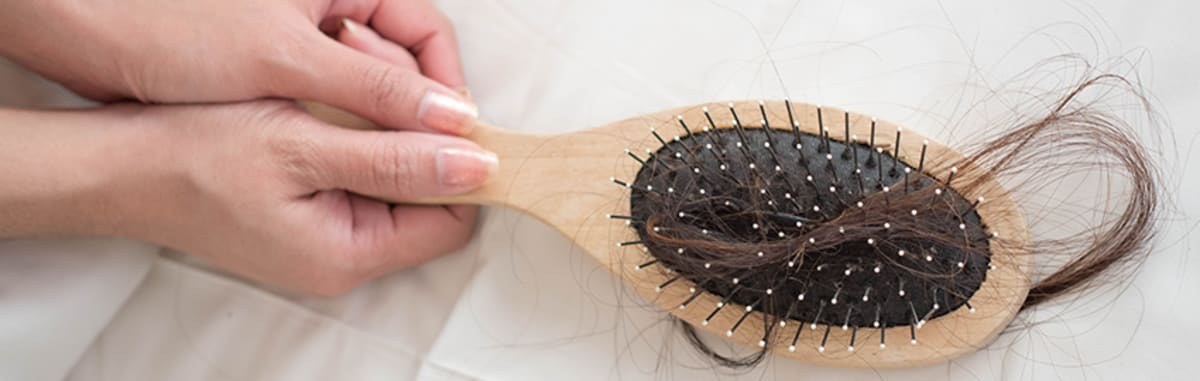
Key Takeaways
- Identifying the exact biological cause early—genetic DHT miniaturization vs. reversible nutritional, hormonal, or stress shedding—is the single biggest predictor of full hair recovery.
- Four key micronutrient gaps frequently fly under the radar without blood tests: iron/ferritin anemia, vitamin B12, zinc, and biotin (vitamin B7).
- Post-viral illness (including COVID-19), childbirth, surgery, trauma, chemotherapy, tight traction hairstyles, and certain prescription medications can all trigger sudden shedding.
- Hereditary pattern thinning responds reliably within 3–6 months to targeted 5-alpha-reductase blockers (finasteride/dutasteride in men) and minoxidil.
1. Hormonal, Genetic & Autoimmune Causes
- DHT & hereditary pattern alopecia: Dihydrotestosterone progressively shrinks genetically susceptible crown and temple follicles—starting before age 21 in ~25% of affected men and accelerating after menopause in women.
- Alopecia areata: Affects ~15 in 10,000 people when immune cells target hair bulbs—causing smooth coin-sized scalp patches or eyebrow/eyelash loss that warrant prompt dermatology evaluation.
- Natural aging (senescent alopecia): Gradual slowing of melanocytes and shaft diameter across later decades.
2. The 4 Most Overlooked Nutritional Deficiencies
- Iron deficiency / low ferritin: Especially common in menstruating women and plant-based eaters; starves dividing hair bulb cells of oxygen transport.
- Vitamin B12 deficiency: Essential for cellular DNA synthesis and red blood cell formation—vegans and patients on long-term acid blockers or metformin should screen levels.
- Zinc deficiency: Leaves hair shafts dry, brittle, and slow to regrow.
- Biotin (Vitamin B7) insufficiency: Rare on varied diets containing eggs, nuts, and dairy, though true deficiency causes fragile hair and periorificial rash.
3. Post-Viral Shedding, Traction Styles & Medication Triggers
High fevers and systemic viral infections (such as post-COVID telogen effluvium), postpartum recovery, tight buns/braids/bleach, and certain medications (anticoagulants, retinoids, beta-blockers, thyroid shifts) can all trigger noticeable loosening in the shower drain. Partnering with a clinician pinpoints reversible labs while starting proven follicle therapy where needed.
Medical Disclaimer: Reviewed by the Amble Clinical Editorial Team. This guide is for educational purposes and does not replace individualized medical advice, diagnosis, or prescription care from a licensed clinician.
Related Clinical Guides
Hair & Men's Health · 6 min read5 Evidence-Based Natural Ways to Improve Erectile FunctionHarvard and clinical urology studies show brisk walking, Mediterranean vascular nutrition, waist reduction, pelvic-floor Kegels, and blood pressure control measurably strengthen erections.Hair & Men's Health · 6 min read8 Surprising Clinical Facts About Erections and Vascular HealthFrom 3–5 nightly REM oxygenating erections and realistic size averages to penile fracture and why ED acts as an early cardiac barometer, explore the science of erections.Hair & Men's Health · 6 min readCan Cold Weather Affect Your Hair and Scalp? Winter Protection GuideFreezing outdoor air, dry indoor central heating, and tight wool hats dehydrate hair cuticles and irritate scalps. Protect winter hair thickness with humectants and smart habits.

Proven treatments forhair & men's wellness
Evidence-backed prescription care with discreet clinician oversight.