Category: Hair & Men’s Health
-

Why 1 mg once daily is the gold-standard finasteride dose for androgenetic alopecia, how it differs from the 5 mg prostate strength, missed-dose rules, and safety monitoring.
-
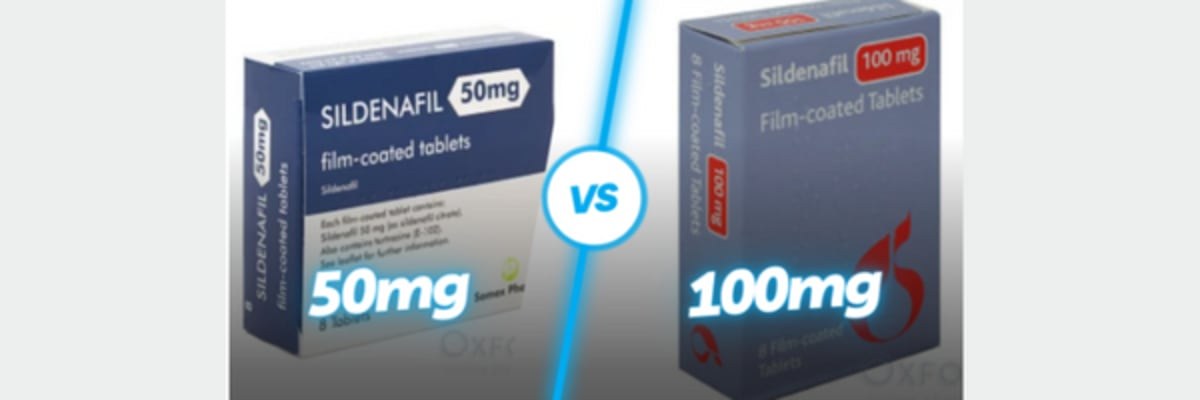
Should you take sildenafil 25 mg, 50 mg, or 100 mg? Learn why 50 mg is the standard starting strength, how many trials to test before stepping up, and max daily safety limits.
-

Finasteride lowers scalp DHT from Day 1, yet visible hair thickening takes months. Walk through the realistic 3-month, 6-month, 12-month, and 5-year clinical timeline.
-

Why board-certified dermatologists prescribe off-label low-dose oral minoxidil (2.5 mg) and dutasteride (0.5 mg) for stubborn hair loss—and how clinical oversight keeps them safe.
-

Compare proven FDA-approved medications (finasteride and minoxidil) with FUE/FUT micrograft hair transplants, platelet-rich plasma (PRP), laser caps, and emerging follicle research.
-

Who qualifies for once-daily 2.5 mg or 5 mg tadalafil, how steady-state dosing restores spontaneity and eases BPH urinary symptoms, and key cardiac safety checks.
-

Whether erectile dysfunction can be permanently reversed depends on its root cause. Explore reversible lifestyle, hormonal, and psychological drivers vs. vascular management.
-

Same active ingredient, two distinct dosing strategies: compare on-demand 10 mg/20 mg tadalafil against once-daily 2.5 mg/5 mg tablets for spontaneity and tolerability.
-

Finasteride blocks follicle-shrinking DHT while minoxidil extends the active growth phase. Compare timelines, efficacy, side effects, and why dual therapy outperforms either alone.
-

Learn why 1–2 drinks rarely interfere with tadalafil, while heavier drinking compounds vasodilation, triggers orthostatic dizziness, and blunts erectile response.