Category: Hair & Men’s Health
-

Noticing temple recession or thinning at the crown? Learn how to recognize androgenetic alopecia on the Norwood scale, rule out temporary shedding, and start proven DHT-targeted care early.
-

Starting prescription erectile dysfunction therapy? Learn how sildenafil and tadalafil work, when they kick in, why arousal still matters, and how clinicians fine-tune your dose.
-

Post-Finasteride Syndrome (PFS) describes persistent sexual, mood, or cognitive symptoms continuing after stopping finasteride. Here is an objective look at the clinical evidence, the nocebo effect, and alternative hair loss options.
-
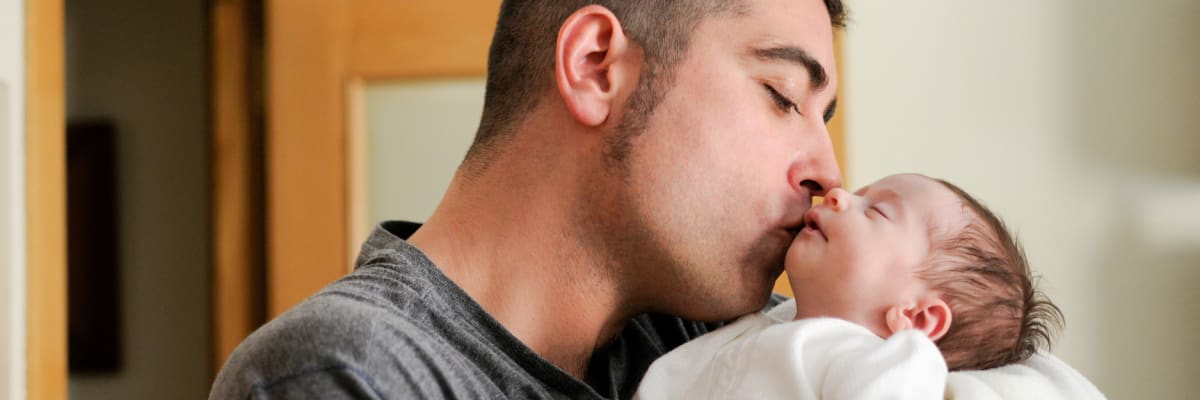
Planning to start a family while taking finasteride for hair loss? Learn how DHT suppression affects sperm parameters, why a 3-month washout is advised, and non-hormonal alternatives.
-

Finasteride clears the bloodstream within about 24 hours, DHT rebounds within 14 days, and hair shedding gradually resumes over 6 to 12 months if no alternative is started.
-
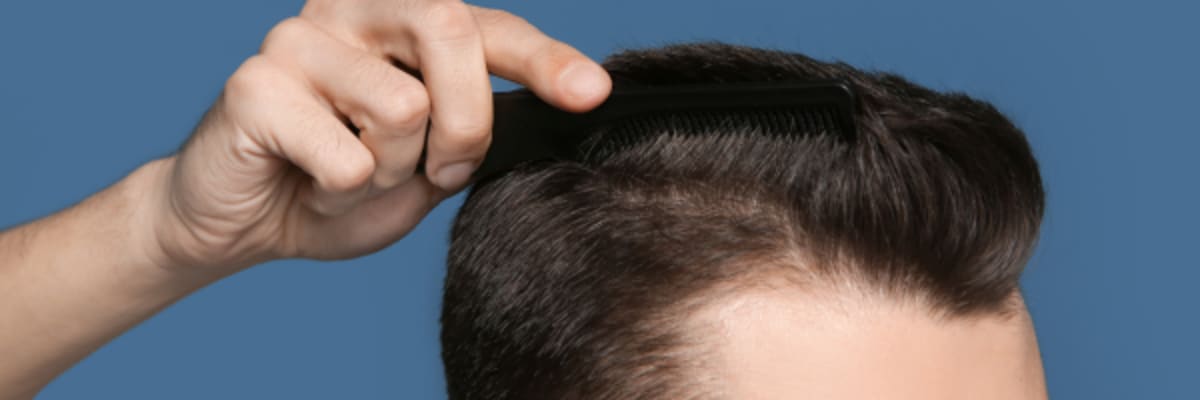
If oral finasteride isn’t the right fit, several evidence-backed alternatives exist — from topical finasteride with 100x lower systemic exposure to minoxidil, dutasteride, and saw palmetto.
-

Androgenetic alopecia affects 30–50% of men by age 50. Compare daily 1mg finasteride tablets against topical finasteride sprays on hair counts, systemic DHT reduction, and tolerability.
-
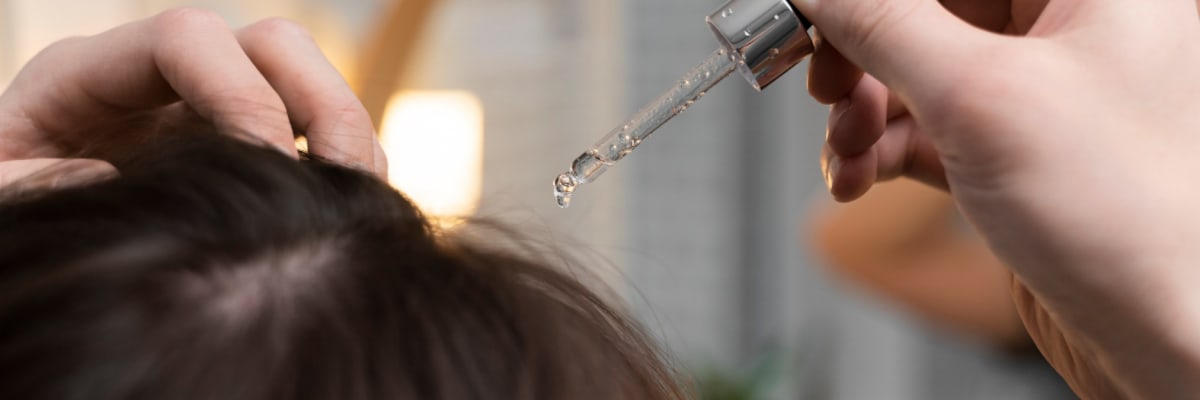
A landmark phase III randomized trial found 0.25% topical finasteride spray matched oral finasteride 1mg in hair-count gains over 24 weeks — with significantly lower systemic exposure.
-

Beyond sildenafil (Viagra), modern ED treatment spans 36-hour tadalafil, 15-minute avanafil, topical vasodilator gels, and oral sprays. Compare onset speed, duration, and safety across every clinical option.
-

Millions of men delay erectile dysfunction treatment out of awkwardness. Learn when discreet regulated telehealth prescribing is appropriate — and the red-flag symptoms that need in-person testing.