Category: Skincare & Dermatology
-
Cleansing, moisturizing, and sun protection are useful foundations. A routine does not need to be expensive, gender-specific, or crowded with active ingredients.
-

Retinoid products differ in formulation, evidence, and tolerability. Do not compare their percentages as if they were the same medicine.
-

Topical niacinamide, oral nicotinamide, and other forms of vitamin B3 are not interchangeable. Match the evidence to the product and purpose.
-

A widening part or thinning crown can expose more skin to sunlight. Use shade, suitable hats, and sunscreen rather than relying on hair coverage alone.
-
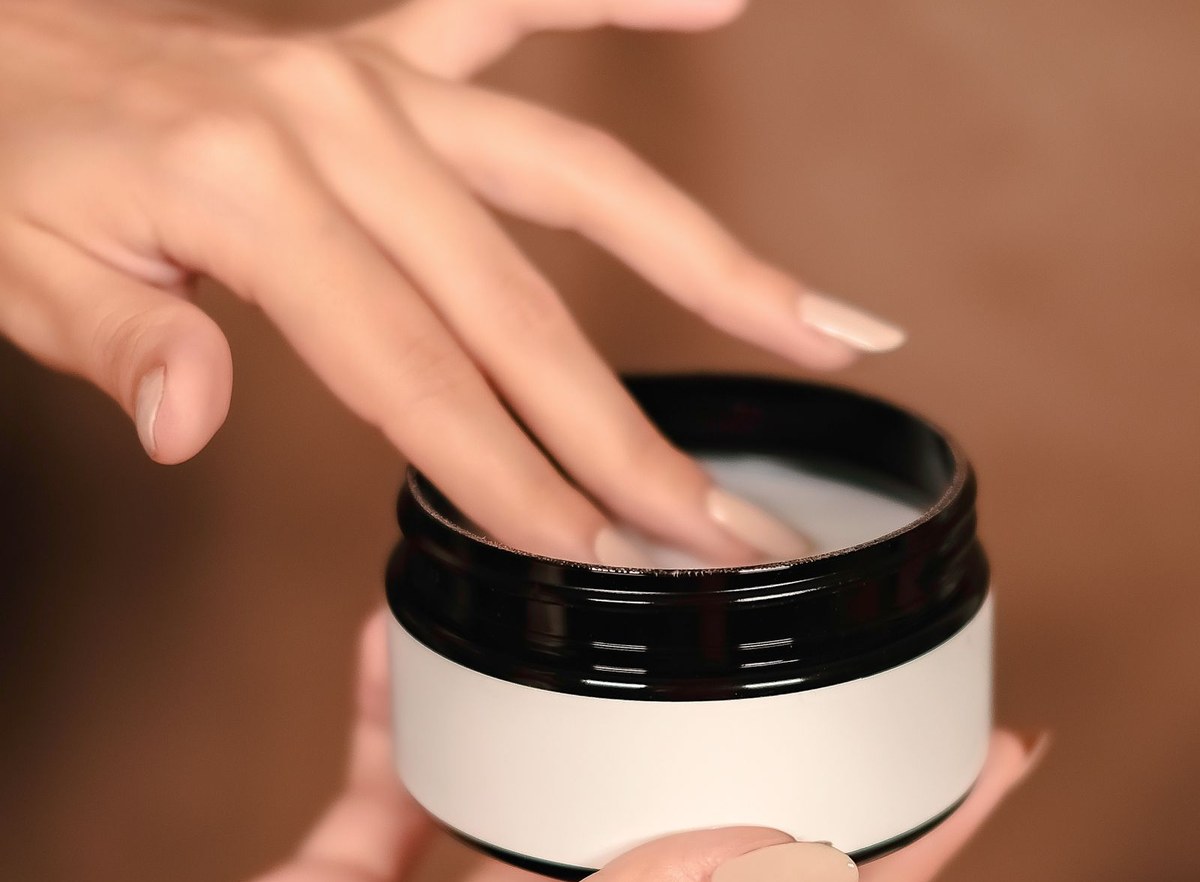
Emollient creams containing paraffin can soak into fabrics and ignite. Learn why fire services warn about it, who is most at risk, and the practical steps that keep treatment safe.
-

High summer UV intensity generates free radicals across skin collagen and immune cells. Explore how dietary vitamins A, C, and E complement—never replace—daily broad-spectrum sunscreen.
-

Freezing outdoor air and dry indoor heating strip ceramides from eczema-prone skin. Follow this 3-step dermatology routine—plus prescription flare care—to calm the winter itch.
-

A history of blistering sunburns doubles lifetime melanoma risk, with head and neck lesions surging from recreational UV exposure. Learn broad-spectrum SPF protocols and the ABCDE mole check.
-

Dormant herpes simplex virus (HSV-1) frequently reactivates when sleep loss, illness, or psychological stress dips immunity. Learn how sleep, nutrition, and early prescription antivirals shorten outbreaks.
-

Dry, flaky skin isn’t just a winter complaint. Learn how indoor air conditioning, pool chlorine, peak midday UV, dry-heat climates, and frequent shaving strip moisture—and how to repair your barrier.