Key Takeaways:
- Unlike male balding (90%+ androgenetic), female hair thinning requires thorough diagnostic workup first to rule out iron/thyroid/postpartum or autoimmune causes before surgery.
- Oral 5-alpha-reductase inhibitors (finasteride and dutasteride) are contraindicated in women of childbearing potential due to severe fetal risk and remain specialist-only off-label options.
- Topical minoxidil (2%–5% foam or solution) is the cornerstone maintenance therapy for women—paused ~1 week pre-op and restarted several weeks post-op per surgeon guidance.
- Continuing minoxidil long-term helps reduce temporary post-surgical 'shock loss' and protects non-transplanted native hair from ongoing thinning.
Why Female Hair Restoration Starts With Accurate Diagnosis
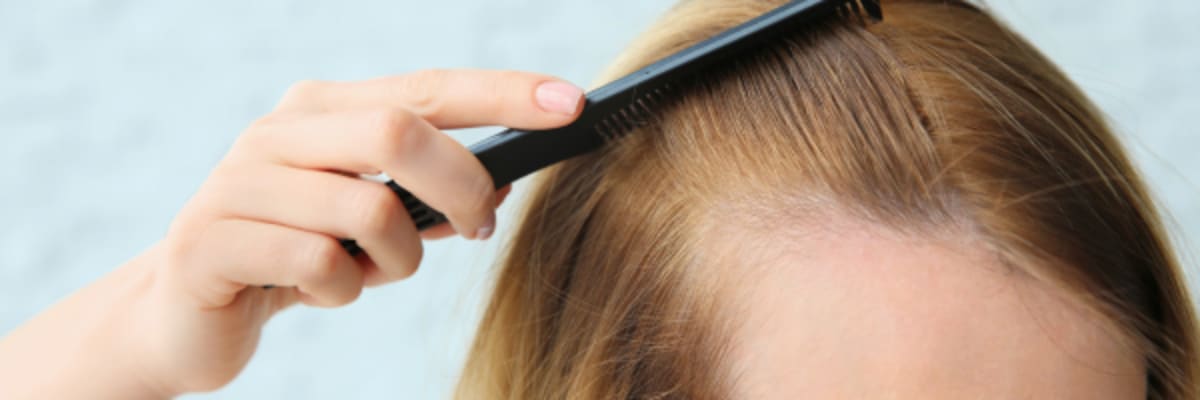
While male hair loss follows a localized DHT pattern over 90% of the time, women experience diffuse thinning from diverse triggers—including female pattern hair loss (androgenetic alopecia), ferritin/iron deficiency, thyroid shifts, perimenopause, traction, or telogen effluvium. Confirming stable androgenetic alopecia with stable donor density is essential before surgical grafting.
Post-Operative Medication Rules Unique to Women
- Gentle pain relief: Surgeons typically favor acetaminophen or short-course ibuprofen; note that daily low-dose oral aspirin has been studied for potentially blunting scalp sulfotransferase activation of topical minoxidil, so review all pain relievers with your surgical team.
- Why 5-alpha-reductase pills are restricted: Finasteride and dutasteride carry strict teratogenicity warnings in women who could become pregnant and show mixed efficacy in female pattern loss compared with men.
- Topical Minoxidil (Foam or Solution): Delivers localized follicular blood-flow support and prolongs the anagen growth phase with minimal systemic hormone impact.
Timing Minoxidil Around Surgery to Minimize Shock Loss
Surgeons commonly advise pausing topical minoxidil 7 days before surgery (to minimize intraoperative scalp oozing) and restarting 2–4 weeks post-transplant once graft crusts heal cleanly—continuing long-term to preserve both transplanted grafts and surrounding native strands.
Leave a Reply