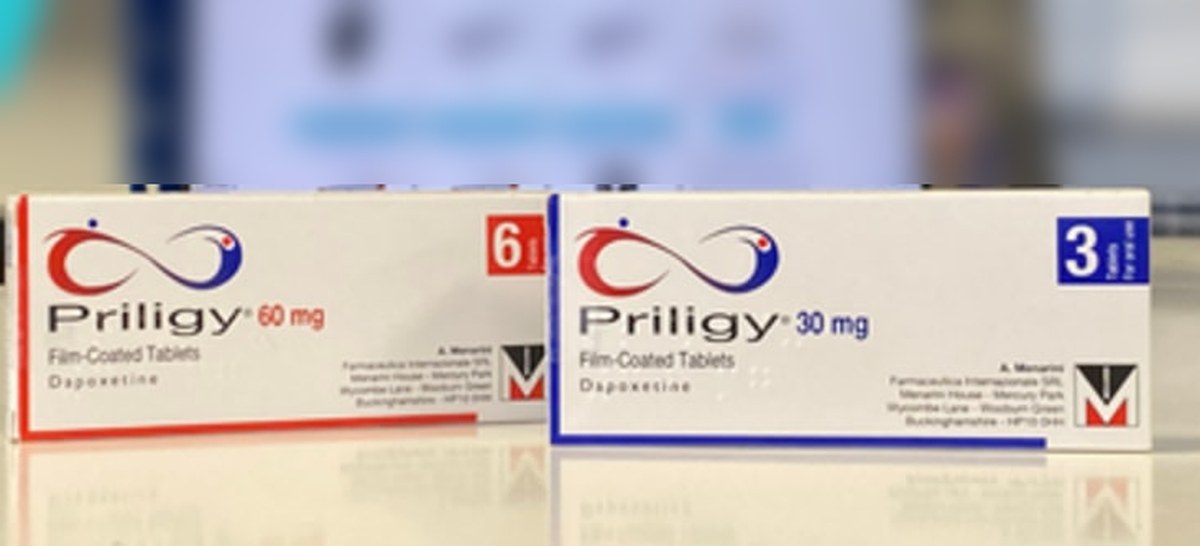
Key Takeaways:
- Because dapoxetine clears ~95% from the bloodstream within 24 hours, side effects are short-lived and typically lessen after the first 2 to 3 uses.
- The most common side effects (~1 in 10 users) are mild nausea, headache, and orthostatic dizziness—all closely tied to hydration and meal timing.
- Taking your tablet with a full glass of water and a light meal 2 to 3 hours before intimacy markedly reduces stomach queasiness.
- Avoid alcohol and recreational substances completely, and wait at least 24 hours after drinking grapefruit juice (a potent CYP3A4 inhibitor that spikes dapoxetine levels).
5 Practical Habits That Cut Dapoxetine Side Effects
- Hydrate generously: Swallow your tablet with at least one full tall glass of water (
8–12 oz) to prevent mild dehydration headaches and orthostatic blood pressure dips. - Take after a light meal (2–3 hours ahead): While dapoxetine can be taken with or without food, eating a balanced snack or light dinner beforehand cushions the stomach and smooths peak absorption.
- Skip alcohol completely: Alcohol amplifies dizziness, drowsiness, syncope (fainting), and blunts erectile firmness.
- Follow the 24-hour grapefruit rule: Furanocoumarins in grapefruit and Seville oranges inhibit intestinal
CYP3A4, elevating bloodstream dapoxetine exposure and side-effect intensity—leave a strict 24-hour buffer. - Sit or lie down immediately if lightheaded: Never push through prodromal sweating or tunnel vision; acetaminophen is safe if a mild tension headache occurs.
Who Should Not Take Dapoxetine
Dapoxetine must not be combined with other SSRIs/SNRIs, MAOIs, thioridazine, tramadol, lithium, St. John’s wort, or potent CYP3A4 inhibitors (ketoconazole, ritonavir), and is contraindicated in heart failure, conduction disorders, history of mania, or moderate-to-severe liver impairment.
Leave a Reply